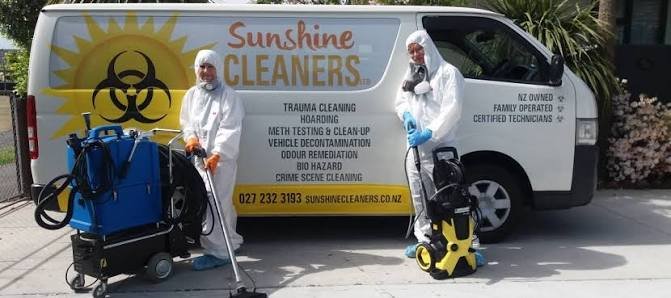
Unexpected incidents can leave homes, workplaces, and other properties in need of specialized cleaning and restoration. Beyond visible damage, certain situations may involve biological contaminants, unpleasant odors, and potential crime scene cleaning company health risks that ordinary cleaning methods cannot adequately address. In these circumstances, a professional crime scene cleaning company can play an essential role in restoring safety, protecting occupants, and helping property owners move forward.
Crime scene cleaning involves more than removing visible stains or making an area look presentable. It requires specialized knowledge, appropriate protective equipment, careful contamination management, and responsible disposal practices. Professional cleaning teams understand the importance of treating affected spaces with care while respecting the privacy and emotional needs of everyone involved.
Understanding how these professionals work can help property owners make informed decisions when specialized cleanup becomes necessary.
Understanding the Importance of Professional Crime Scene Cleaning
After a serious incident, a property may contain biological materials or other contaminants that require specialized handling. Blood and certain bodily fluids can present potential health hazards, particularly when they are not handled using appropriate precautions. Contamination may also affect surfaces, furnishings, and materials that are not immediately obvious to an untrained observer.
A professional crime scene cleaning company is equipped to assess these concerns and determine the appropriate cleaning and restoration measures. Rather than relying on ordinary household products, trained technicians follow established procedures designed to reduce contamination risks and protect the surrounding environment.
Professional intervention is especially important when an affected area cannot be safely restored through routine cleaning. By using suitable equipment and documented procedures, specialists help property owners address hazards responsibly.
Protecting Occupants From Potential Health Risks
One of the primary responsibilities of a crime scene cleaning company is helping reduce potential exposure to biological contaminants. Bloodborne pathogens and other biological hazards may pose health risks if contaminated materials are handled incorrectly.
Professional cleaners receive training in hazard awareness, personal protection, contamination control, and safe waste management. They assess the affected environment and select suitable procedures based on the materials involved and the condition of the property.
Appropriate protective equipment helps reduce direct exposure during cleanup. Professional teams also take precautions to prevent contaminants from spreading into unaffected areas.
These measures are important for residential properties, commercial buildings, rental units, and other locations where people may eventually return. Before an area is considered ready for normal use, the cleanup team should evaluate whether the required cleaning and decontamination work has been completed.
Property owners should avoid attempting to manage potentially hazardous biological contamination without appropriate training and equipment. Contacting qualified professionals is a safer approach when specialized cleanup is required.
Providing Specialized Cleaning and Decontamination
Ordinary cleaning services are generally designed to remove everyday dirt, dust, and surface stains. Crime scene cleanup, however, may involve materials that require specialized handling and decontamination.
A professional cleaning team begins by understanding the nature and extent of the affected area. The team then determines the appropriate scope of work, taking into account potentially contaminated surfaces, porous materials, furnishings, and other property components.
Cleaning and decontamination procedures vary according to the circumstances. Some materials may be suitable for professional treatment, while others may require removal and appropriate disposal. The objective is to address the contamination safely rather than simply improve the property’s appearance.
Professionals also consider whether affected areas need additional restoration services after cleaning. For example, damaged flooring, wall materials, or furnishings may require separate repair or replacement.
This comprehensive approach helps ensure that property owners receive more than a superficial cleanup and can make informed decisions about the next stages of recovery.
Managing Biohazardous Waste Responsibly
Waste management is another important part of professional crime scene cleaning. Cleanup activities may generate materials that cannot be disposed of with ordinary household rubbish.
A qualified crime scene cleaning company follows applicable regulations and procedures for collecting, containing, transporting, and disposing of regulated waste. Proper handling helps reduce the risk of accidental exposure and environmental contamination.
Professional teams understand that waste management must be considered throughout the cleanup process. Materials should be handled according to their classification and the relevant local requirements.
Responsible disposal also supports accountability. Depending on the service and applicable regulations, documentation may be available to record aspects of the cleanup and waste-handling process.
Property owners should ask prospective providers about their waste management practices, regulatory compliance, and the documentation they supply. These questions can help establish whether the company takes safety and environmental responsibility seriously.
Restoring Properties After Traumatic Events
Crime scenes and other serious incidents can leave properties physically damaged and emotionally difficult for occupants to revisit. Professional cleanup helps address the environmental conditions that may prevent people from returning to a space comfortably.
A crime scene cleaning company focuses on restoring affected areas to a condition suitable for the next stage of recovery. Depending on the situation, this may involve specialized cleaning, odor treatment, removal of damaged materials, and coordination with restoration professionals.
It is important to recognize that cleaning and structural restoration are not always the same service. If walls, flooring, electrical systems, or other building components have sustained damage, additional qualified contractors may be necessary.
By identifying these needs early, professional cleaning teams can help property owners organize the recovery process more effectively. Their work can also reduce the burden on families and property managers who may already be dealing with difficult circumstances.
Supporting Families With Compassion and Respect
The impact of a serious incident extends beyond the physical condition of a property. Families, tenants, employees, and other affected individuals may experience grief, uncertainty, or emotional distress.
Professional crime scene cleaning teams should approach these situations with discretion, patience, and respect. Their role is not simply to clean a location but also to provide a dependable service during a challenging period.
Respect for privacy is particularly important. A responsible company should communicate clearly, avoid unnecessary intrusion, and handle personal belongings with appropriate care. It should also explain the proposed work before beginning whenever circumstances permit.
Clear communication helps families understand what will happen, which areas may need treatment, and whether additional restoration work could be required.
Compassionate service does not replace emotional support from trusted people or qualified professionals, but it can remove one practical burden from those affected by an incident. A respectful approach helps create a more manageable path toward restoring the property.
Choosing a Qualified Crime Scene Cleaning Company
Selecting the right service provider is an important step toward safe property restoration. Not every cleaning company has the training, equipment, or procedures necessary to manage biological hazards.
Before hiring a provider, property owners should consider several factors.
Training and experience: Ask whether technicians have relevant training in biohazard cleanup, contamination control, and safe waste handling.
Safety procedures: A reputable company should be able to explain its general safety practices, protective measures, and approach to decontamination.
Regulatory compliance: Confirm that the provider follows applicable local requirements for hazardous waste handling, transportation, and disposal.
Insurance and documentation: Ask about relevant business insurance, written service agreements, and available records of completed work.
Privacy and professionalism: Choose a company that treats affected individuals respectfully and maintains appropriate confidentiality.
Clear pricing: Request a written estimate explaining the expected scope of work, potential additional costs, and any services that are excluded.
These considerations help property owners compare providers based on more than price alone. A qualified company should be willing to answer reasonable questions and explain its process without making unrealistic promises.
Why Prompt Professional Assistance Matters
When a property has been affected by a serious incident, delaying appropriate cleanup may allow contamination concerns to remain unresolved. The longer an affected area remains unmanaged, the more difficult it may become to coordinate cleaning, repairs, and the return to normal use.
Prompt professional assessment helps establish the extent of the problem and identify the services required. Property owners should follow any instructions from emergency responders or investigating authorities before arranging access or beginning cleanup.
Once the area has been released for cleanup, a qualified provider can evaluate the situation and develop a suitable plan. Acting promptly does not mean rushing the work; safety, proper assessment, and careful execution should remain the priorities.
Professional guidance can also help property owners determine whether additional services, such as structural repairs or odor treatment, are necessary.
The Role of Crime Scene Cleaning in Long-Term Recovery
Successful restoration involves more than making a property appear clean. It requires addressing relevant contamination concerns, managing affected materials responsibly, and determining whether further repairs are needed before the space returns to normal use.
A professional crime scene cleaning company contributes to this process by combining specialized training, appropriate equipment, established procedures, and careful communication. Its work can help homeowners, landlords, business operators, and property managers navigate an otherwise overwhelming responsibility.
Following cleanup, property owners should obtain information about any remaining restoration needs and follow professional recommendations regarding the safe use of affected spaces. Where appropriate, independent assessments or additional contractors may be needed to address issues outside the cleaning company’s scope.
A thorough, coordinated approach helps reduce uncertainty and supports a more organized recovery.
Conclusion
A crime scene cleaning company plays an important role in restoring safety after a serious incident. Through specialized cleaning, contamination management, responsible waste disposal, and respectful service, trained professionals help property owners address hazards that ordinary cleaning methods may not adequately resolve.
Choosing a qualified provider is essential. Property owners should evaluate training, safety procedures, regulatory compliance, insurance, communication, and pricing before making a decision.
Although the circumstances surrounding crime scene cleanup can be difficult, professional assistance offers a practical way to manage the physical challenges of recovery. By prioritizing safety, discretion, and thorough restoration, experienced cleaning teams help create healthier environments and support the process of returning affected properties to appropriate use.


More Stories
How Scottsdale Restoration Services Bring Damaged Properties Back to Life
House Clearance London Tips for Preparing Your Home for Sale
When to Call an Emergency Water Damage Company to Protect Your Property