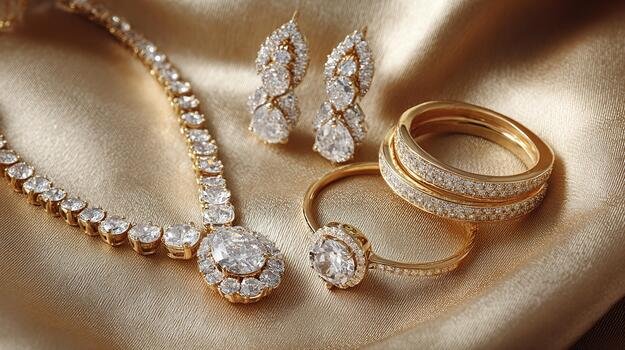
A grading report can tell you that two diamonds are both ovals of roughly the same size. Set them beside each other and you may immediately prefer one. The ends of one might look softer, or its middle may stay bright as you turn it. An in-person comparison is valuable because those impressions come from the combination of the outline, faceting and the light in the room.
Use the guidance from Best for Bride on oval diamond engagement rings to prepare a few checks before your appointment. Ask the jeweller to bring out stones of comparable weight and put them in the same light. You can then isolate the features that make one more appealing.
Look at the outline without reading the label
Start with the ends and sides. Some ovals look full through the shoulders. Others narrow more noticeably near the ends. Move each stone over a neutral surface so you can see how evenly the perimeter curves. If you prefer a longer outline, compare length and width in millimetres rather than assuming two stones sold as elongated will look alike.
Ask to see the stones near the finger where the ring will sit. The width may matter more than length if you want the stone to take up a particular amount of space across the hand. Take a moment to look from normal distance. Two stones that appear markedly different in a close-up may look surprisingly similar there.
Watch the dark and bright areas move
Many oval diamonds show dark contrast across the centre, sometimes called a bow tie. Compare how strong that area looks when the stone faces you and whether it changes with movement. A little contrast can help the pattern feel lively. If you notice the dark region more than the rest of the stone, see whether another example gives a better balance.
Move away from concentrated display lights. A window or a more diffuse part of the showroom may give you a clearer impression of how the stone will look at home. Try the same movement with each candidate. If they are loose, ask the jeweller to turn them safely so you can watch what happens at the ends as well as the centre.
Bring the report and setting into the comparison
Check the report for dimensions, origin, clarity and any other relevant information provided. Ask the jeweller to show you where an inclusion is and whether it can be seen at your usual viewing distance. Compare what the document says with your observations. If a high grade carries a premium, see whether the improvement changes the appearance you care about.
Ask to see a comparable mounted oval. A bezel can change the outline you see, and the position of claws can affect how the ends read. If you are considering a sideways mount, turn the stone to that position before deciding. You will see the dark and bright pattern from a different orientation once the stone is on the hand.
Final Thought
Let the report describe the diamond and let the viewing decide which one you want. A short comparison of outline, light and setting gives you specific reasons for a choice you may otherwise make on instinct.


More Stories
Tarotap: A Modern Approach to Tarot Card Readings and Personal Guidance
How to Choose the Right DC Conference Photographer for Your Upcoming Event
Terry Hui: Exploring a Career Driven by Vision and Determination