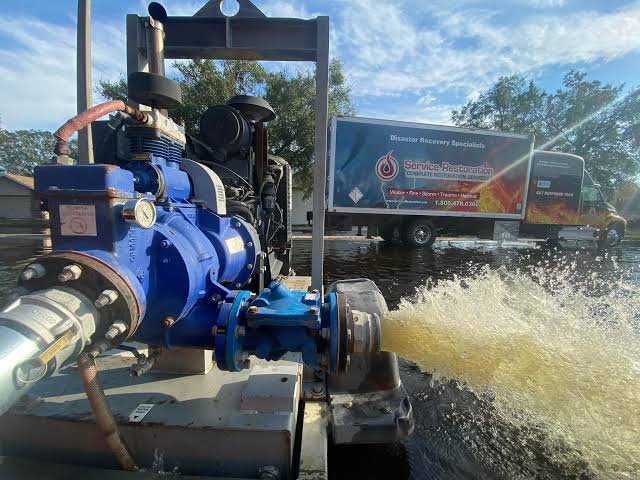
Water damage is one of the most unpredictable and destructive threats facing homeowners and business owners today. A small leak under a sink can quickly turn into a full-scale structural nightmare if left unaddressed. While minor spills can often be handled with a mop and bucket, severe water intrusion demands immediate professional intervention. Knowing exactly when to contact an emergency water damage company can mean the difference between a simple cleanup project and thousands of dollars in structural repairs, toxic mold remediation, and long-term property devaluation.
Understanding the Risks of Delayed Action
When water enters a property, time is your greatest enemy. Water spreads rapidly, soaking into porous materials like drywall, carpet padding, wooden framing, and insulation. Within minutes, water migrates throughout the structure, staining walls and ruining belongings. Within hours, wooden components begin to swell and warp, plaster begins to crack, and electrical hazards can emerge.
Perhaps the most alarming threat associated with delay is mold growth. Under favorable conditions, mold spores can germinate and begin colonizing surfaces within 24 to 48 hours of exposure to moisture. Once mold takes root, it releases airborne spores and volatile organic compounds (VOCs) that can compromise indoor air quality and pose serious health risks to occupants. Calling a certified emergency water damage company right away halts this timer, preventing minor issues from escalating into major restoration disasters.
Key Scenarios That Require Immediate Professional Help
Not every water situation is an emergency, but certain indicators signal that immediate professional help is required. Recognizing these warning signs allows you to act fast and minimize structural impact.
Burst Pipes and Major Plumbing Failures
A burst pipe can release hundreds of gallons of water into your home in a matter of hours. Whether caused by freezing winter temperatures, high water pressure, or aging plumbing systems, a major pipe rupture rapidly floods living spaces, hallways, and basements. Shutting off the main water valve is the critical first step, but draining the standing water and completely drying out internal wall cavities requires specialized commercial equipment.
Severe Weather and Storm Flooding
Torrential rains, river overflows, and storm surges can force floodwaters into your basement, crawl space, or ground floor. Floodwater originating from outdoors is typically classified as Category 3 “black water,” which contains harmful bacteria, chemicals, sewage, and organic debris. Attempting to clean up storm flooding on your own exposes you to biological hazards. An experienced emergency water damage company possesses the personal protective equipment (PPE) and industrial sanitization tools necessary to safely extract contaminated water and disinfect your living spaces.
Sewage Backups and Drain Overflows
A sewage backup is among the most hazardous water emergencies a property owner can face. When main sewer lines block or overflow, waste backs up through drains, toilets, and sinks. This water is laden with pathogens, parasites, and hazardous micro-organisms. Cleaning up sewage requires strict biohazard containment procedures, specialized extraction machinery, and broad-spectrum antimicrobial treatments to restore a safe, hygienic environment.
Hidden Leaks Behind Walls and Under Floors
Sometimes water damage occurs surreptitiously. A slow leak in a pipe hidden inside a wall, behind a shower unit, or under subflooring can go unnoticed for weeks. By the time soft spots on drywall, sagging ceilings, persistent musty odors, or discolored floorboards appear, significant underlying structural damage has already occurred. Professional restoration specialists use advanced thermal imaging cameras and moisture meters to locate hidden pockets of water without causing unnecessary destruction to your walls or flooring.
The Critical Role of Professional Equipment and Expertise
It is a common misconception that household fans, shop vacuums, and dehumidifiers are sufficient to handle significant water intrusion. While household units remove surface moisture, they are rarely powerful enough to pull deep-seated humidity from deep within structural timber, concrete slabs, and insulated wall cavities.
Industrial-Grade Extraction Equipment
Professional restoration technicians utilize high-powered, truck-mounted extraction units and heavy-duty submersible pumps capable of removing thousands of gallons of water per hour. Rapid extraction is essential to lower ambient humidity levels and prevent further liquid absorption into building materials.
High-Capacity Dehumidifiers and Air Movers
After standing water is removed, moisture remains trapped inside porous materials. An emergency water damage company deploys commercial LGR (Low Grain Refrigerant) dehumidifiers alongside high-velocity air movers. This setup creates directed airflow and low relative humidity, accelerating evaporation from floors, walls, and structural framing.
Structural Drying and Moisture Monitoring
Restoration specialists do not rely on guesswork. Throughout the drying process, technicians use penetrating and non-penetrating moisture meters to measure the exact moisture content of structural components. They monitor humidity and temperature levels daily until the structure reaches its baseline dry standard, ensuring that hidden moisture does not foster mold or structural decay behind closed surfaces.
Protecting Your Health and Safety
Water damage often carries unseen hazards that can threaten the safety of occupants. Electrocution risks arise when water comes into contact with electrical outlets, wiring, or appliances. Structural weakening can render ceilings, stairs, and flooring unstable, creating collision or collapse hazards. Furthermore, exposure to sewage or mold can trigger allergic reactions, respiratory irritation, and severe illness.
By hiring a qualified emergency water damage company, you ensure that trained professionals manage these risks using proper safety protocols, structural bracing, and protective gear.
Simplifying the Insurance Claims Process
Dealing with property damage is stressful, but managing the insurance claim can feel equally overwhelming. A reputable emergency water damage company serves as a vital partner during this process.
Restoration experts document the extent of the damage thoroughly through detailed photo and video evidence, moisture readings, and detailed itemized inventories of damaged property. They utilize standardized industry pricing software (such as Xactimate) that insurance adjusters expect, ensuring seamless communication and faster approval of claims. Many emergency restoration providers work directly with insurance companies, saving you time and reducing out-of-pocket friction during an already challenging situation.
Conclusion: Act Quickly to Protect Your Investment
Your home or business is likely one of your largest financial investments. When water intrudes, every hour of delay increases the scope of destruction and the cost of repairs. Recognizing the signs of catastrophic water events—from burst pipes and severe storm flooding to sewage backups and hidden leaks—allows you to take immediate, decisive action.
By contacting a certified, experienced emergency water damage company at the first sign of major water intrusion, you protect your property’s structural integrity, safeguard your health, and ensure a rapid, thorough restoration process that brings your space back to pre-loss condition.
More Stories
House Clearance London Tips for Preparing Your Home for Sale
Roof Repairs: Common Problems and Smart Solutions to Protect Your Home
Cleaning Water Damage Like a Pro: Best Practices for Removing Moisture and Preventing Mold Growth