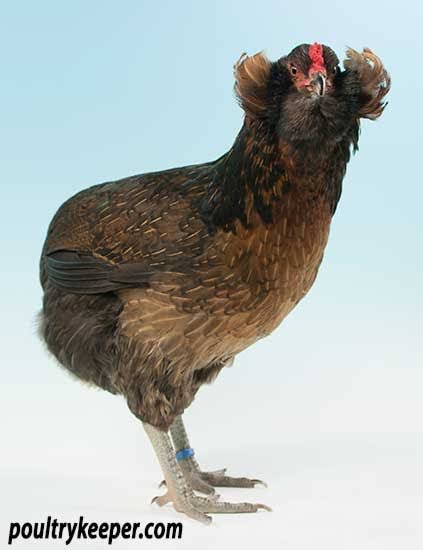
Araucana chickens are a fascinating choice for poultry enthusiasts who want something different from ordinary backyard birds. Known for their distinctive appearance, colorful eggs, and interesting history, these chickens have gained attention araucana for sale among hobby keepers, small-scale farmers, and people interested in raising unusual poultry breeds. If you are searching for Araucana for sale, understanding the breed’s characteristics, care requirements, and purchasing considerations can help you make a confident decision.
Whether you want to collect a small flock, produce colorful eggs, or develop a backyard poultry project, choosing healthy and suitable chickens is an important first step.
Understanding the Araucana Chicken Breed
Araucana chickens originated in South America and are associated with the Araucanía region of Chile. They became well known for their blue-shelled eggs and distinctive physical characteristics. Over time, the breed attracted poultry keepers in different parts of the world who appreciated its unusual appearance and practical qualities.
True Araucanas are recognized for several features, including ear tufts in many breed-standard birds and the absence of a tail. Their appearance can differ depending on the recognized standard used in a particular country.
It is important to distinguish Araucanas from Ameraucanas and Easter Eggers. Although these birds are sometimes confused with one another, they are not identical. Ameraucanas have a different set of recognized characteristics, while Easter Eggers are generally mixed or non-standard birds that may lay eggs in different colors.
When looking for Araucana for sale, learning these differences helps you understand what a seller is actually offering.
Why Choose Araucana Chickens?
Araucanas appeal to poultry keepers for several reasons. Their colorful eggs are among their most attractive qualities, but their appearance and suitability for small flocks also contribute to their popularity.
Blue Egg Production
One of the most recognizable characteristics of Araucana chickens is their ability to lay naturally blue eggs. The color comes from pigment deposited during eggshell formation, rather than from a surface coating.
Egg production varies according to age, nutrition, health, daylight, and individual genetics. Araucanas are not necessarily the most productive layers compared with specialized commercial egg breeds, but their distinctive eggs can make them an appealing addition to a backyard flock.
Anyone purchasing these chickens specifically for egg production should ask the breeder about the laying history of the hens and the characteristics of the breeding line.
Distinctive Physical Appearance
Araucanas have an unusual appearance that attracts collectors and poultry enthusiasts. Their lack of a tail and characteristic ear tufts distinguish many birds from common backyard breeds.
However, not every bird will display identical features. Plumage colors can vary, and breed standards differ between poultry organizations. Buyers who intend to exhibit their chickens should review the relevant standard before making a purchase.
Suitability for Small Flocks
Araucanas can be suitable for backyard poultry keeping when provided with appropriate housing, balanced nutrition, and enough room to move comfortably.
Their suitability depends on the individual bird, the environment, and the management practices used by the keeper. As with other chickens, temperament may vary, so it is sensible to discuss behavior with the breeder before selecting birds for a family flock.
Where to Find Araucana Chickens for Sale
Finding a reliable seller is an important part of purchasing Araucanas. Several sources may be available, depending on your location and the time of year.
Reputable Poultry Breeders
Specialist breeders are often a useful starting point because they may have experience maintaining particular bloodlines and understanding breed characteristics.
A knowledgeable breeder should be willing to explain the birds’ background, breeding goals, approximate age, health history, and whether the chickens meet a recognized breed standard. They should also answer questions about the blue egg color and the physical features expected in their flock.
Avoid making a decision based only on attractive photographs or a low advertised price. Clear information and responsible breeding practices are more important than promotional claims.
Poultry Farms and Smallholders
Some poultry farms and small-scale keepers occasionally offer Araucana chickens, hatching eggs, or young birds. These sellers may be convenient for people who prefer to purchase locally and inspect the birds before buying.
When visiting a farm, observe the general condition of the flock. Clean water, suitable shelter, appropriate feeding, and reasonably clean housing are positive signs of attentive management.
Ask whether the birds have been exposed to other poultry recently and whether any relevant vaccinations or health checks have been completed.
Poultry Shows and Breeder Networks
Poultry exhibitions and local breeder communities can help buyers connect with experienced keepers. These settings may also provide opportunities to compare different birds and learn how recognized Araucanas differ from similar-looking chickens.
Before arranging a purchase through an informal network, confirm the seller’s reputation and agree on the bird’s age, sex, condition, and collection arrangements.
Important Factors to Consider Before Buying
Choosing the right Araucana involves more than identifying the breed. Buyers should evaluate the purpose of the purchase, the bird’s health, and the resources needed to keep it properly.
Decide Between Chicks, Pullets, and Adult Birds
Araucanas may be offered at different stages of development.
Chicks generally require more careful temperature management and frequent monitoring. They are often suitable for keepers who already understand brooding and early poultry care.
Pullets are young female chickens that have not yet begun laying consistently. They may suit buyers who want to raise their own birds without managing very young chicks.
Adult hens can be a practical option for those primarily interested in egg production. However, their laying history and age should be verified where possible.
If breeding is your goal, ask about the birds’ parentage and whether the seller can provide reliable information about the breeding line.
Examine Health and Condition
Healthy chickens should generally appear alert, active, and responsive to their surroundings. Their eyes should be clear, their breathing comfortable, and their feathers reasonably well maintained.
Look for signs of unusual discharge, persistent coughing, severe feather loss, lameness, or lethargy. These observations do not replace veterinary assessment, but they can help identify birds that need further evaluation.
Ask the seller about parasite control, disease prevention, and any recent health concerns. If you already keep poultry, arrange an appropriate quarantine period for new arrivals and seek veterinary guidance when necessary.
Verify Breed Characteristics
The term Araucana is sometimes used loosely in poultry advertisements. A bird that lays blue eggs is not automatically a true Araucana.
Ask for details about the breeding stock and the recognized standard the seller follows. If you are purchasing exhibition-quality birds, request suitable documentation or breeding records when available.
For buyers who simply want colorful eggs, a blue-egg-laying hybrid may meet their needs. However, anyone seeking a particular pure breed should verify the seller’s claims carefully.
Housing and Care Requirements
Before purchasing Araucanas, prepare a safe and comfortable environment. Chickens need protection from predators, harsh weather, and overcrowding.
Their coop should provide adequate ventilation without exposing the birds to direct drafts in resting areas. Dry bedding, clean nesting boxes, and secure doors help maintain a suitable living space.
Outdoor runs should offer enough room for natural behaviors such as scratching, walking, and dust bathing. Shade and access to clean water are especially important during warm weather.
A balanced commercial poultry feed appropriate for the bird’s age and purpose should form the foundation of its diet. Laying hens require suitable calcium levels, while growing chicks need feed formulated for healthy development. Treats and kitchen scraps should not replace a nutritionally complete diet.
Regular cleaning, observation, and parasite management can help prevent health problems. New owners should also identify a veterinarian familiar with poultry before an urgent situation arises.
Understanding Prices and Availability
The cost of Araucana chickens depends on factors such as age, location, breeding quality, availability, and the seller’s reputation.
Chicks may have a lower purchase price than mature birds, but they require additional time, equipment, and care before reaching adulthood. Pullets and laying hens may cost more because they are further developed.
Birds bred for exhibition or selected from documented bloodlines may also command higher prices. Hatching eggs are another possible option, although their viability and the success of incubation cannot be guaranteed.
When comparing offers, consider the total cost of responsible ownership, including housing, feed, veterinary care, and transportation. Local poultry regulations should also be reviewed before bringing new birds onto your property.
Breeding Considerations for Araucana Owners
People interested in breeding Araucanas should learn about the breed’s genetics before selecting birds. The ear-tuft characteristic is associated with a genetic factor that can create serious developmental risks when inherited in certain combinations. Responsible breeding therefore requires informed decisions rather than simply pairing birds that display the most noticeable features.
A knowledgeable breeder can explain the genetic considerations involved and describe the methods used to maintain healthy breeding lines.
Breeders should prioritize bird welfare, sound structure, health, and compliance with the relevant breed standard. Maintaining accurate records of parentage and hatch outcomes can also support better breeding decisions over time.
Conclusion
Searching for Araucana for sale can be an exciting step toward building a distinctive backyard flock or exploring specialized poultry keeping. These chickens stand out for their naturally blue eggs, unusual appearance, and interesting breed history.
The best purchasing decision begins with understanding the difference between Araucanas and similar blue-egg-laying chickens. Buyers should evaluate the seller’s reputation, inspect the birds’ condition, confirm the purpose of the purchase, and prepare suitable housing before bringing chickens home.
By choosing carefully and providing consistent care, poultry enthusiasts can enjoy raising Araucanas while supporting responsible breeding and healthy flock management. Whether you are a beginner or an experienced keeper, taking time to research the breed will help you select birds that fit your goals, available space, and long-term poultry plans.

More Stories
How to Use Creative Candle Molds for Eye-Catching Seasonal Decorations
Silicone Additive Masterbatch: A Practical Approach to Better Plastic Product Performance
How to Make Your Community a Better Place Through Consistent Action