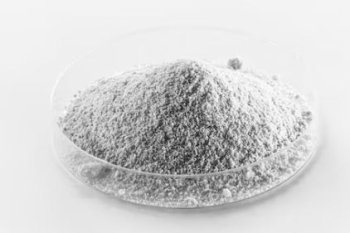
Sodium cyanide is a highly toxic chemical used in several industrial processes, including metal processing, mining, electroplating, and certain chemical manufacturing applications. Because of its extreme toxicity, even accidental exposure can have serious or potentially fatal consequences. Proper handling and storage are therefore not simply matters of workplace organization; they are essential components of chemical safety and emergency preparedness. Understanding the hazards associated with sodium cyanide, sometimes referred to as cianuro di sodio, can help workplaces establish safer procedures and reduce the likelihood of accidental exposure.
Understanding Sodium Cyanide and Its Hazards
Sodium cyanide is a chemical compound that can interfere with the body’s ability to use oxygen at the cellular level. Exposure can occur through inhalation, ingestion, or contact with contaminated materials. The seriousness of an exposure depends on several factors, including the route of exposure, concentration, duration, and circumstances surrounding the incident.
One particularly important hazard is the potential formation of highly toxic hydrogen cyanide gas when cyanide compounds come into contact with acids or certain incompatible materials. This makes chemical compatibility a critical consideration when sodium cyanide is stored or used.
The chemical should therefore be treated as a high-hazard substance. Employees should never rely on appearance, smell, or informal assumptions when evaluating its safety. Instead, workplaces should use established chemical-safety procedures, current safety data sheets, appropriate training, and professional guidance.
Why Proper Handling Matters
Safe handling begins before sodium cyanide is moved, opened, or used. Only trained and authorized personnel should work with it, and employees should understand the hazards, workplace procedures, emergency arrangements, and required protective measures.
Containers should be handled carefully to prevent damage, spills, or contamination. Workers should avoid unnecessary contact with the substance and should never eat, drink, smoke, or apply cosmetics in areas where hazardous chemicals are handled. Good hygiene practices are especially important because contaminated hands, tools, clothing, and surfaces can create additional exposure pathways.
Workplaces should also maintain appropriate engineering controls and ventilation systems designed for the specific operation. The goal is to prevent hazardous contamination from reaching workers rather than relying exclusively on personal protective equipment.
Personal protective equipment should be selected through a formal hazard assessment and according to applicable occupational-safety requirements. Depending on the task and workplace, this may involve suitable protective clothing, gloves, eye and face protection, and respiratory protection where specifically required. PPE should never be considered a substitute for proper containment and safe operating procedures.
Safe Storage Principles
Proper storage is equally important because many chemical incidents occur when incompatible substances are placed too close together, containers deteriorate, or access is not adequately controlled.
Sodium cyanide should be stored in a secure, designated area that is appropriately managed for highly toxic chemicals. Containers should remain properly closed when the material is not being actively handled. Storage areas should be clearly identified, restricted to authorized personnel, and maintained in a condition that supports safe inspection and housekeeping.
Compatibility is a major consideration. Sodium cyanide must be kept away from acids and other substances that could create dangerous chemical reactions. It should also be protected from conditions that could damage packaging or otherwise compromise container integrity. A workplace chemical inventory can help ensure that hazardous substances are identified and stored according to their compatibility requirements.
Containers should be inspected routinely for signs of deterioration, leakage, damage, or labeling problems. Damaged or questionable containers should not simply be handled casually or transferred without an appropriate procedure. Any corrective action should follow the organization’s chemical-safety program and advice from qualified personnel.
Training and Employee Awareness
Training is one of the most effective ways to reduce chemical accidents. Workers who may encounter sodium cyanide should understand its hazards, recognize workplace warning labels, know where safety information is located, and understand what actions are expected during an emergency.
Training should cover normal handling practices as well as spill response, exposure prevention, reporting procedures, and emergency communication. Employees should also understand that cyanide-related incidents require immediate attention and should never be treated as ordinary chemical spills.
Organizations should provide refresher training when procedures change, new equipment is introduced, or workers’ responsibilities change. Training records should be maintained so management can verify that appropriate personnel have received the necessary instruction.
Preventing Cross-Contamination
Cross-contamination is another important concern when working with highly toxic substances. Tools, work surfaces, protective clothing, and other equipment can potentially transfer hazardous residues from one location to another.
Good housekeeping practices can help control this risk. Dedicated equipment, appropriate decontamination procedures, clearly defined work zones, and controlled access can reduce opportunities for contamination to spread.
Workers should also follow established procedures for removing protective equipment and handling potentially contaminated clothing. Clothing or equipment exposed to sodium cyanide should not be treated as ordinary workplace laundry or waste. The appropriate response depends on the circumstances and should follow site-specific hazardous-material procedures.
Emergency Preparedness
Every workplace using sodium cyanide should have a documented emergency plan before an incident occurs. The plan should identify responsible personnel, emergency communication methods, evacuation arrangements, medical-response procedures, and appropriate external emergency resources.
If a suspected exposure or significant release occurs, untrained personnel should not attempt to investigate or clean up the incident themselves. The area should be controlled according to the site’s emergency procedures, and qualified emergency responders should be contacted.
Medical evaluation is particularly important after suspected cyanide exposure because serious poisoning can progress rapidly. Emergency responders and medical professionals should be informed about the chemical involved so that they can respond appropriately.
Emergency equipment and procedures should be reviewed regularly. Drills can help employees understand what to do during a real incident while also revealing weaknesses in communication, access control, or evacuation procedures.
Regulatory and Safety Responsibilities
Organizations handling sodium cyanide must comply with applicable workplace, environmental, transportation, hazardous-material, and waste-management requirements. Regulations vary by jurisdiction and by the quantity and circumstances of chemical use.
Safety data sheets should be readily accessible to employees, and chemical containers should have appropriate identification and hazard information. Employers should also maintain documented procedures covering purchasing, receiving, storage, use, inspection, waste handling, and emergency response.
Professional chemical-safety specialists can help organizations assess their facilities and identify hazards that may not be obvious during routine operations.
The Importance of a Strong Safety Culture
The safest approach to cianuro di sodio is to build a workplace culture where prevention is treated as everyone’s responsibility. Employees should feel comfortable reporting damaged containers, unclear labels, unsafe storage conditions, or procedural concerns without fear of being ignored.
Management plays an important role by providing appropriate training, equipment, resources, supervision, and time for workers to follow safety procedures correctly. Safety rules become much more effective when they are consistently supported by leadership.
Conclusion
Sodium cyanide requires careful management because of its severe toxicity and its potential to create dangerous conditions when improperly handled or stored. Effective safety depends on several connected measures: trained personnel, secure and compatible storage, appropriate engineering controls, suitable protective equipment, good hygiene, routine inspections, emergency planning, and regulatory compliance.
Whether it is called sodium cyanide or cianuro di sodio, the fundamental safety principle remains the same: prevention is far safer than responding to an avoidable exposure. Organizations that establish rigorous procedures and maintain a strong culture of chemical safety can significantly reduce risks to workers, emergency responders, the surrounding environment, and the wider community.


More Stories
Hot Stamping Machine Manufacturer Solutions for Consistent Product Finishing
Understanding the Value of Scheduled HIU Service London
What Companies Should Consider Before Selecting Contractor Staffing Solutions