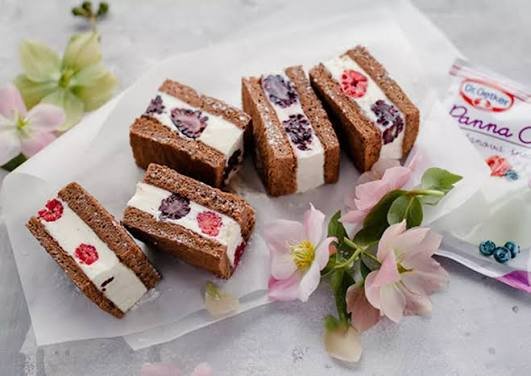
A perfectly baked sponge cake is light, airy, tender, and soft enough to melt in your mouth. Although the ingredient list for a classic sponge cake is usually simple, achieving the right texture requires careful preparation and baking techniques. Small details such as the temperature of the ingredients, how you mix the batter, and how you handle the cake after baking can make a major difference. Whether you are preparing a cake for a celebration or simply want a reliable homemade dessert, understanding these techniques will help you create a beautifully fluffy result every time.
Choose the Right Ingredients
The quality and condition of your ingredients have a direct effect on the final texture. A traditional sponge cake commonly uses eggs, sugar, flour, and sometimes butter, milk, vanilla, or baking powder. Because there are relatively few ingredients, each one plays an important role.
Use fresh eggs whenever possible. Eggs provide structure and help create the air bubbles that make the cake light. Room-temperature eggs generally whip more effectively than cold eggs. If your recipe contains butter or milk, allow them to reach the temperature recommended by the recipe before mixing.
Choose a fine, low-protein flour when possible. Cake flour is particularly useful because its lower protein content can produce a softer crumb. If you only have all-purpose flour, avoid adding more than the recipe requires, as excessive flour can make the finished cake dense and dry.
Prepare the Oven and Cake Pan
Before making the batter, preheat the oven. A properly heated oven helps the sponge cake begin rising immediately after it is placed inside. If the oven is still warming up, the batter may lose some of its structure before baking begins.
Prepare the cake pan according to your recipe. Greasing and lining the bottom with parchment paper can make removal easier. However, some sponge cake recipes rely on the batter gripping the sides of the pan as it rises, so avoid heavily greasing the sides unless the recipe specifically recommends it.
An oven thermometer can also be useful because household ovens may not always reach the temperature displayed on the dial. Consistent heat helps prevent uneven rising and overbaking.
Whip the Eggs Properly
Eggs are one of the most important components in many sponge cake recipes. When eggs are beaten with sugar, they trap tiny air bubbles that expand during baking. These bubbles help create the characteristic light texture.
Place the eggs and sugar in a clean, dry mixing bowl. Beat them until the mixture becomes pale, thick, and noticeably increased in volume. Depending on your recipe and equipment, this may take several minutes.
Do not stop mixing too early. If the eggs are not sufficiently aerated, the cake may turn out heavy. At the same time, avoid letting the mixture sit for too long after whipping because the trapped air can gradually escape.
Fold the Flour Carefully
Adding flour is where many homemade sponge cakes lose their volume. Once the eggs have been whipped, the batter should be handled gently.
Sift the flour before adding it. Sifting removes lumps and distributes the flour more evenly, making it easier to incorporate without excessive mixing.
Add the flour in smaller portions and fold it gently using a spatula. Lift the mixture from the bottom of the bowl and fold it over itself rather than stirring aggressively. Continue only until the flour is incorporated.
Overmixing develops gluten and knocks out the air you worked to create. The result can be a compact, chewy cake instead of a soft and fluffy sponge cake.
Avoid Adding Ingredients Too Quickly
If your recipe includes melted butter, milk, oil, or other liquids, add them carefully. Hot melted butter can damage the structure of the whipped eggs, while adding a large amount of liquid at once can cause the batter to collapse.
Allow melted ingredients to cool slightly when appropriate, then incorporate them gradually. A useful technique is to mix a small amount of batter with the liquid first and then gently fold that mixture back into the main batter. This can make the liquid easier to distribute without destroying too much volume.
Bake Without Disturbing the Cake
Once the batter is ready, transfer it to the prepared pan and place it in the preheated oven promptly. Avoid repeatedly opening the oven door during the early stages of baking. Sudden temperature changes can cause a rising cake to collapse.
Bake according to the recipe’s recommended temperature and time. The exact baking time depends on the pan size, batter quantity, and oven.
You can check for doneness by inserting a wooden skewer or toothpick into the center. If it comes out clean or with only a few moist crumbs, the cake is generally ready. The top should also look set and lightly golden, depending on the recipe.
Prevent Overbaking
Even a beautifully prepared sponge cake can become dry if it remains in the oven too long. Once the cake is fully baked, remove it promptly according to the recipe instructions.
Overbaking removes too much moisture from the crumb. A dry sponge may still look attractive from the outside, but it will not have the tender texture associated with a successful cake.
Because ovens vary, begin checking the cake near the earliest suggested baking time. Learning how your oven behaves can help you achieve more consistent results with future batches.
Cool the Cake Correctly
Cooling is another important part of maintaining the texture. Removing a delicate sponge cake from the pan immediately can cause it to break, while leaving it in a hot pan for too long can sometimes encourage condensation or make the edges difficult to release.
Follow the cooling instructions for your particular recipe. Many cakes benefit from a short resting period in the pan before being transferred to a wire rack.
Allow the cake to cool completely before adding frosting, cream, fruit, or other toppings. Decorating while the sponge is still warm can cause fillings to melt and may interfere with the cake’s structure.
Store It to Preserve Softness
Proper storage helps maintain the soft texture after baking. Once completely cool, keep the cake in an airtight container or wrap it appropriately to prevent moisture loss.
If you are preparing the cake ahead of time, avoid leaving it exposed to air for extended periods. Refrigeration can sometimes make cakes feel firmer, so if refrigeration is necessary because of a perishable filling, allow the cake to come closer to room temperature before serving.
For an especially moist result, some recipes use a light sugar syrup brushed over the finished sponge. This can add moisture without making the cake excessively heavy when used carefully.
Common Mistakes to Avoid
Several mistakes can make a sponge cake dense or dry. Using cold ingredients when the recipe calls for room-temperature ingredients can affect the batter’s structure. Under-whipping the eggs can result in insufficient volume, while overmixing after adding flour can remove the air and create excess gluten development.
Another common problem is inaccurate measuring. Too much flour can produce a dry, heavy crumb, while too much liquid can weaken the structure. Measuring ingredients carefully is especially important for recipes that depend heavily on the balance between eggs, flour, and sugar.
Finally, avoid unnecessary handling after the cake comes out of the oven. A delicate sponge needs time to stabilize as it cools.
Final Tips for a Light and Fluffy Sponge Cake
Making a soft sponge cake is less about complicated ingredients and more about technique. Start with fresh ingredients, prepare your pan and oven in advance, whip the eggs thoroughly, and fold the flour gently. Avoid overmixing, excessive oven-door opening, and overbaking.
With practice, you will learn how the batter should look and feel at each stage. The goal is to preserve as much air as possible while creating enough structure for the cake to rise and hold its shape. By paying attention to these details, you can consistently produce a sponge cake with a delicate crumb, pleasant moisture, and the soft, fluffy texture that makes this classic dessert so appealing.



More Stories
How Jalbitedrinks Are Transforming Modern Beverage Culture and Shaping New Taste Preferences
Top Uses of Whipped Cream Chargers You Didn’t Know About
Exploring the Benefits of Oyster Catering in New York