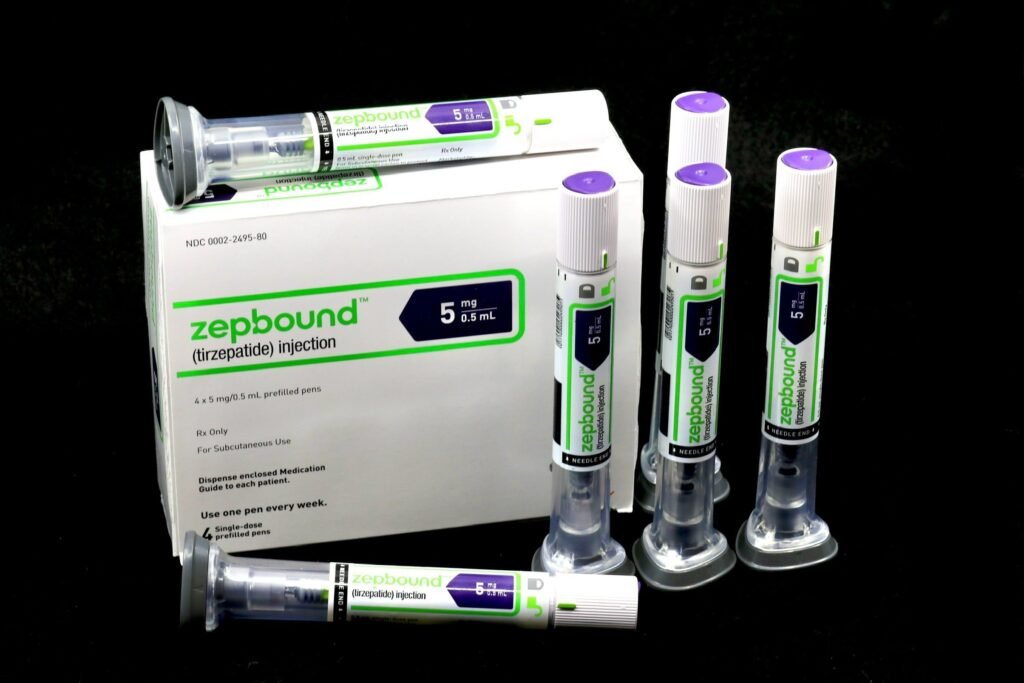
What is Tirzepatide
Tirzepatide is a novel metabolic therapy designed to improve blood sugar control and support weight management in adults with type 2 diabetes and obesity-related conditions. It represents a newer class of treatments that target multiple hormonal pathways involved in appetite regulation, insulin response, and energy balance.
Unlike older single-pathway therapies, tirzepatide works on two incretin hormones simultaneously, making it a significant advancement in metabolic medicine. Its development has reshaped clinical approaches to diabetes care and weight-related metabolic disorders.
How Tirzepatide Works in the Body
Dual Hormone Activity
Tirzepatide functions as a dual agonist of the GIP (glucose-dependent insulinotropic polypeptide) and GLP-1 (glucagon-like peptide-1) receptors. These hormones are naturally released in the gut after eating and play a key role in regulating insulin secretion and appetite.
By activating both pathways, tirzepatide enhances insulin release when blood sugar levels are high, reduces excessive glucagon production, and slows gastric emptying. This combination helps stabilize post-meal glucose spikes and improves overall glycemic control.
Appetite and Brain Signaling Effects
One of the most important mechanisms of tirzepatide is its effect on the brain’s appetite regulation centers. It reduces hunger signals and increases satiety, helping individuals feel full sooner and for longer periods after meals. This contributes significantly to reduced calorie intake over time, which supports weight reduction and improved metabolic outcomes.
Energy Balance and Fat Metabolism
Beyond appetite control, tirzepatide may influence how the body stores and uses energy. By improving insulin sensitivity and reducing fat accumulation signals, it encourages a healthier metabolic profile. This includes gradual reductions in visceral fat, which is closely linked to cardiovascular risk and insulin resistance.
Impact on Metabolic Health
Blood Glucose Regulation
One of the primary benefits of tirzepatide is improved blood glucose control. It helps lower HbA1c levels, a key marker used to assess long-term blood sugar management. Patients using tirzepatide often experience more stable glucose levels throughout the day, reducing the risk of both hyperglycemia and long-term complications associated with diabetes.
Weight Management Outcomes
Clinical studies have shown that tirzepatide can lead to significant weight reduction when combined with lifestyle modifications such as diet and physical activity. This effect is largely due to reduced appetite and improved satiety signaling. Weight loss also contributes to improved blood pressure, cholesterol levels, and reduced strain on the cardiovascular system.
Cardiovascular and Lipid Benefits
Improved metabolic health from tirzepatide use often extends to cardiovascular markers. Many patients experience reductions in LDL cholesterol and triglycerides, along with improvements in blood pressure. These changes collectively lower overall cardiovascular risk, especially in individuals with obesity and type 2 diabetes.
Clinical Insights and Research Findings
Efficacy in Type 2 Diabetes
Clinical trials have demonstrated that tirzepatide provides superior glycemic control compared to some traditional GLP-1 receptor agonists. Patients often achieve greater reductions in HbA1c, along with meaningful weight loss, making it a dual-benefit therapy for metabolic disease management.
Weight Loss in Non-Diabetic Individuals
Research has also explored tirzepatide’s effects in individuals without diabetes but with obesity. Results indicate substantial weight loss potential, highlighting its role beyond glucose control and into broader metabolic health management. This has increased interest in its use as part of comprehensive obesity treatment strategies.
Long-Term Metabolic Effects
Ongoing studies are examining the long-term safety and metabolic benefits of tirzepatide. Early findings suggest sustained improvements in weight and glucose regulation over extended use, though continued monitoring is essential to understand long-term outcomes fully.
Safety, Side Effects, and Considerations
Common Side Effects
Like many metabolic therapies, tirzepatide may cause gastrointestinal side effects, especially during initial treatment. These can include nausea, reduced appetite, vomiting, or mild digestive discomfort. In most cases, these effects decrease as the body adjusts.
Important Precautions
Tirzepatide is not suitable for everyone. Individuals with certain medical conditions or a history of specific endocrine disorders should use it only under strict medical supervision. It is also important to follow prescribed dosing schedules carefully to minimize risks and maximize benefits.
Medical Supervision Requirement
Because tirzepatide directly affects hormonal and metabolic pathways, it must be used under the guidance of a qualified healthcare professional. Regular monitoring of blood glucose, weight, and overall health markers is typically recommended during treatment.
Role in Modern Metabolic Medicine
Tirzepatide represents a shift in how metabolic disorders are treated. Instead of focusing solely on blood sugar reduction, it addresses multiple interconnected factors such as appetite, weight, insulin resistance, and cardiovascular risk.
This multi-targeted approach is increasingly viewed as more effective for long-term management of metabolic syndrome, which often includes a combination of obesity, hypertension, and dyslipidemia.
Healthcare providers are increasingly considering therapies like tirzepatide as part of a broader lifestyle and medical intervention strategy that includes nutrition, exercise, and behavioral support.
Accessibility and Market Considerations
As interest in metabolic health treatments grows, search terms such as tirzepatide for sale have become more common online. However, it is important to understand that tirzepatide is a prescription-only medication in most regions. It should only be obtained through licensed healthcare providers and legitimate pharmacies following proper medical evaluation.
Unregulated sourcing or self-medication can pose serious health risks, including incorrect dosing, counterfeit products, or lack of medical supervision. Safe and legal access ensures both effectiveness and patient safety, which are essential when dealing with potent metabolic therapies.
Future of Tirzepatide and Metabolic Treatment
The development of tirzepatide marks the beginning of a new generation of multi-pathway metabolic therapies. Researchers are currently exploring even more advanced combinations of hormone-based treatments that may further improve weight loss, glucose control, and cardiovascular outcomes.
Future innovations may focus on increasing efficacy while reducing side effects, improving patient convenience, and expanding treatment options for a wider range of metabolic conditions.
As understanding of metabolic health continues to evolve, therapies like tirzepatide are expected to play a central role in personalized medicine approaches that tailor treatment to individual biological needs.
Conclusion
Tirzepatide represents a major advancement in the treatment of metabolic disorders, offering dual benefits in glucose regulation and weight management. Its unique mechanism of action, targeting both GLP-1 and GIP receptors, allows it to address multiple aspects of metabolic dysfunction simultaneously.
While its benefits are significant, safe and supervised use remains essential. As research continues, tirzepatide is likely to remain a key focus in the evolving landscape of metabolic health therapies, offering new hope for individuals managing diabetes and obesity-related conditions.




More Stories
Planning Your Perfect Wedding Celebration with a Northern Virginia Wedding Photographer
Buy Trinity Magic Mushrooms: A Beginner’s Guide to Learning About the Strain
Understanding the Relationship Between Anabolic Steroids and Hormonal Balance