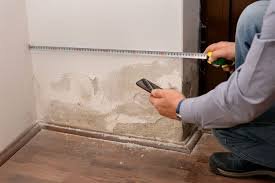
Water damage in basement areas is one of the most common and costly problems homeowners face. Basements, being below ground level, are naturally more susceptible to water intrusion due to poor drainage, high groundwater levels, or plumbing failures. Left unchecked, water damage can lead to structural deterioration, mold growth, and significant financial burdens. This comprehensive guide will explore practical strategies to prevent water damage in basement areas, helping homeowners maintain a safe and dry living environment.
Understanding the Causes of Water Damage in Basement
Before diving into prevention strategies, it’s crucial to understand the common causes of water damage in basement areas. Recognizing these causes allows homeowners to take proactive measures. Some of the most frequent sources include:
Poor Drainage Systems: Ineffective gutters and downspouts can lead to water pooling around the foundation, seeping into the basement over time.
Foundation Cracks: Small cracks or gaps in the foundation walls allow water to penetrate, especially during heavy rainfall or snowmelt.
Plumbing Leaks: Burst pipes, leaking water heaters, or faulty sump pumps can contribute to significant water damage if not addressed promptly.
Hydrostatic Pressure: Groundwater pressure can push water through basement walls and floors, even if the structure appears intact.
Condensation and Humidity: Basements tend to be cooler and more humid than other areas of a house, making them prone to condensation, which can damage finishes and encourage mold growth.
Understanding these causes is the first step toward implementing effective prevention techniques.
Inspecting Your Basement Regularly
Regular inspections are vital in preventing water damage in basement areas. Homeowners should routinely examine:
Foundation and Walls: Look for cracks, bowing, or discoloration, which could indicate water seepage.
Flooring and Carpets: Check for dampness, warping, or musty odors that suggest hidden moisture.
Plumbing Systems: Inspect pipes, water heaters, and sump pumps for leaks, corrosion, or unusual noises.
Windows and Exterior Openings: Ensure basement windows and vents are properly sealed and that water does not collect near these areas.
Conducting inspections at least twice a year, especially during wet seasons, allows homeowners to address minor issues before they escalate into serious water damage problems.
Improving Exterior Drainage
Proper exterior drainage is essential in keeping water away from basement areas. Strategies include:
Gutters and Downspouts: Keep gutters clean of debris to prevent overflow. Downspouts should extend at least 6 feet away from the foundation to direct water away from the home.
Grading: The ground surrounding the house should slope away from the foundation at a minimum of 6 inches over 10 feet. This prevents water from pooling near the basement walls.
French Drains: Installing a French drain system around the perimeter of the home can effectively redirect water away from the foundation.
Landscaping Considerations: Avoid planting trees or shrubs too close to the foundation, as roots can disrupt drainage and create pathways for water intrusion.
By managing exterior water flow, homeowners can significantly reduce the risk of water damage in basement spaces.
Sealing and Waterproofing Basement Walls
Sealing and waterproofing are critical steps in defending basement walls against water penetration. Consider the following measures:
Crack Repairs: Use hydraulic cement or epoxy injections to seal cracks in foundation walls and floors.
Waterproof Coatings: Apply waterproof paints or sealants specifically designed for basement walls. These coatings create a barrier against moisture infiltration.
Interior Drainage Systems: In areas with severe water problems, installing an interior drainage system along the basement perimeter can capture water and channel it to a sump pump.
Vapor Barriers: Installing vapor barriers on walls and floors can prevent moisture from seeping into the basement and damaging stored items.
Proper sealing and waterproofing, combined with regular maintenance, form a strong defense against water damage in basement areas.
Installing and Maintaining a Sump Pump
A sump pump is one of the most effective tools for preventing water damage in basement areas, especially in regions with high water tables. Key considerations include:
Pump Selection: Choose a sump pump with adequate capacity for the size of your basement and potential water volume.
Battery Backup: In case of power outages during storms, a battery backup ensures the sump pump continues to operate.
Routine Maintenance: Test the sump pump every few months to ensure it functions properly, and clean the sump pit of debris.
Proper Discharge: Ensure the discharge pipe directs water at least 20 feet away from the foundation to prevent recirculation.
A reliable sump pump system can dramatically reduce the risk of basement flooding and long-term water damage.
Controlling Basement Humidity
High humidity is a subtle yet significant contributor to water damage in basement areas. Maintaining optimal humidity levels prevents condensation, mold growth, and wood deterioration. Methods include:
Dehumidifiers: Use a high-capacity dehumidifier to maintain humidity levels between 30% and 50%.
Ventilation: Increase airflow by installing vents or exhaust fans, especially in enclosed or finished basement areas.
Moisture-Resistant Materials: Consider moisture-resistant drywall, flooring, and insulation to reduce water damage risks.
Regular Monitoring: Use a hygrometer to measure humidity levels and adjust dehumidification or ventilation as needed.
Controlling humidity not only prevents water damage but also promotes healthier air quality in basement areas.
Regular Plumbing Maintenance
Plumbing issues are a major cause of water damage in basement areas. Preventive maintenance includes:
Pipe Inspections: Regularly check exposed pipes for signs of corrosion, leaks, or bulging.
Water Heater Checks: Inspect water heaters for leaks, rust, or pressure issues.
Fixture Maintenance: Ensure faucets, toilets, and appliances are functioning properly to avoid hidden leaks.
Professional Inspection: Schedule an annual plumbing inspection to detect potential problems before they escalate.
Preventing plumbing failures significantly reduces the likelihood of sudden water damage in basement areas.
Emergency Preparedness
Even with preventive measures, unexpected water incidents can occur. Being prepared ensures quick response and minimal damage. Strategies include:
Emergency Drainage Plan: Know how to manually operate the sump pump or use portable pumps in case of flooding.
Water Sensors: Install water leak detectors near vulnerable areas to receive early alerts.
Safe Storage: Keep valuable items off the basement floor or in waterproof containers.
Insurance Review: Ensure your homeowner’s insurance covers water damage in basement areas, including flooding from storms or plumbing failures.
Preparedness reduces damage, speeds up recovery, and provides peace of mind for homeowners.
Professional Assistance
While homeowners can implement many preventive measures, professional assistance is invaluable for severe water challenges. Certified contractors can:
Perform Foundation Repairs: Correct structural issues contributing to water intrusion.
Install Advanced Waterproofing Systems: Implement interior and exterior drainage systems for maximum protection.
Assess Risk Factors: Conduct a comprehensive evaluation of potential water damage hazards in basement areas.
Professional intervention ensures long-term solutions and minimizes recurring water damage risks.
Conclusion
Preventing water damage in basement areas requires a combination of vigilance, proactive maintenance, and strategic investments. From improving exterior drainage and sealing foundation walls to installing sump pumps and controlling humidity, homeowners have multiple tools at their disposal to protect their basements. Regular inspections, plumbing maintenance, and emergency preparedness further reduce the likelihood of costly water damage in basement areas. By understanding the causes and implementing these best practices, homeowners can ensure a safe, dry, and functional basement for years to come.
The effort invested in prevention is far less costly and stressful than repairing extensive water damage later, making these measures essential for every homeowner concerned about basement water issues.




More Stories
Disaster Clean Up Company: Why Hiring Professionals Saves You Time
Why Hiring a Professional Disaster Restoration Company Saves Time and Money
How Water Damage Cleanup Can Save You Money in the Long Run