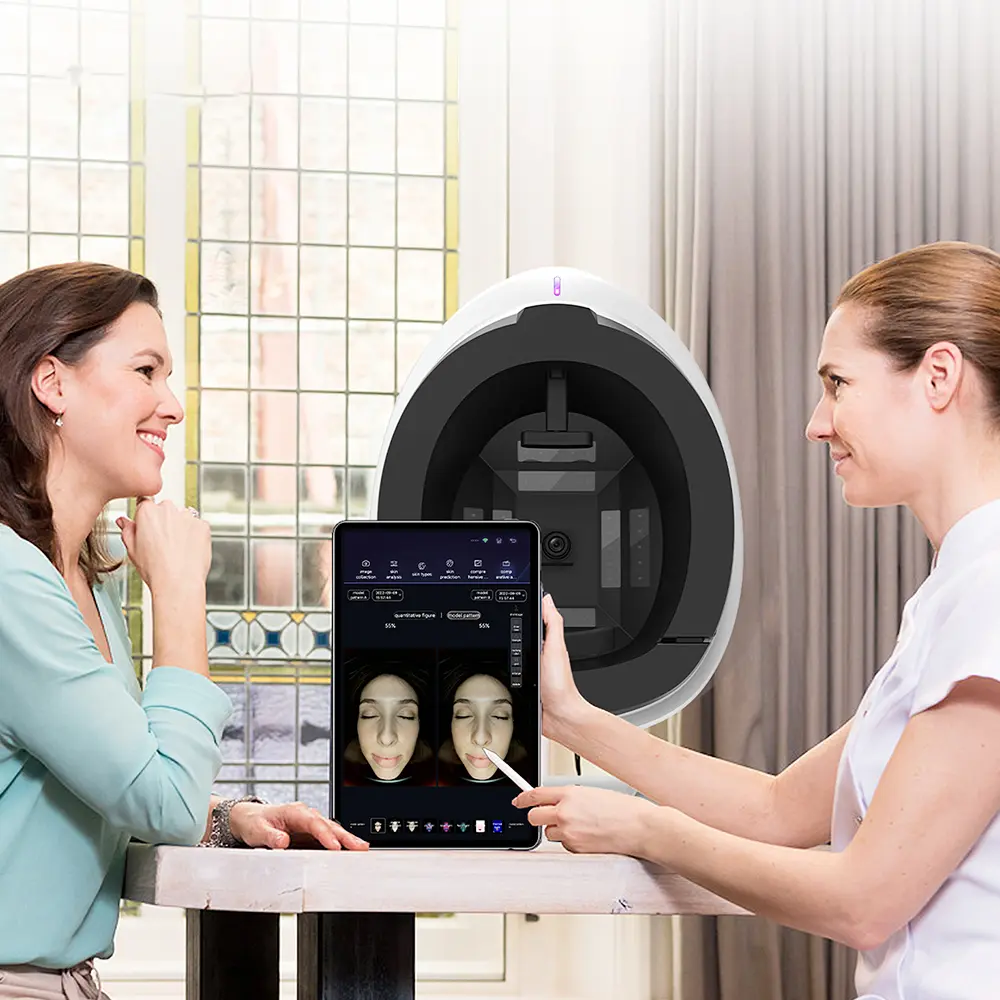
Modern technology has transformed the way people understand and care for their skin. Traditional skin evaluations often depended on visible signs and professional examinations, but many skin concerns can develop beneath the surface before they become noticeable. Advanced tools like a skin scanner are changing the approach to early detection by providing detailed insights into skin conditions, helping individuals and professionals identify potential concerns sooner.
The Evolution of Skin Analysis Technology
Skin health is influenced by many factors, including genetics, aging, environmental exposure, lifestyle habits, and daily skincare routines. In the past, people usually visited dermatologists only after noticing visible changes such as irritation, pigmentation, acne, or unusual marks. However, innovative imaging technologies now allow experts to examine deeper layers of the skin and discover early warning signs.
A skin scanner uses advanced imaging systems, artificial intelligence, and data analysis to evaluate different aspects of skin health. These technologies can analyze characteristics that are difficult to detect with the naked eye, including uneven pigmentation, hidden inflammation, moisture levels, texture changes, and early signs of damage.
The development of smarter scanning systems has made skin assessments more accurate, personalized, and accessible. Instead of relying only on surface observations, these tools provide a more complete picture of overall skin condition.
How Skin Scanner Technology Works
Modern skin scanners combine several technologies to capture detailed information about the skin. High-resolution cameras, specialized lighting systems, and artificial intelligence algorithms work together to identify patterns and irregularities.
During a scan, the device captures images of the skin from different angles and analyzes specific areas. The system may evaluate wrinkles, pores, fine lines, pigmentation, oil balance, hydration, and areas of concern. Some advanced models can detect changes below the surface, providing valuable information about possible future skin issues.
Artificial intelligence plays a major role in improving the accuracy of these systems. By comparing skin images with large databases of previous assessments, AI-powered scanners can recognize patterns and provide insights based on collected data. This allows users to better understand their skin condition and make informed decisions about skincare treatments.
Early Detection of Hidden Skin Concerns
One of the biggest advantages of a skin scanner is its ability to identify hidden concerns before they become more visible. Many skin problems develop gradually, and early awareness can make a significant difference in prevention and management.
For example, sun damage may exist beneath the skin surface long before visible spots appear. Advanced scanning technology can highlight areas affected by UV exposure and help users adopt protective skincare habits. Similarly, early signs of dehydration, uneven texture, or sensitivity can be recognized before they become major concerns.
Skin scanners can also assist in monitoring changes over time. Regular assessments allow users and skincare professionals to compare results and track improvements or changes caused by treatments, environmental factors, or lifestyle adjustments.
Artificial Intelligence and Personalized Skin Care
Artificial intelligence has become a key component of modern skin analysis. Instead of offering general skincare advice, AI-powered systems can create recommendations based on individual skin characteristics.
A skin scanner can provide personalized information by analyzing unique skin patterns. This helps users understand which products, ingredients, and routines may be more suitable for their specific needs. Personalized skincare reduces the risk of using unsuitable products and allows people to focus on targeted solutions.
For skincare professionals, AI technology provides additional support during consultations. Dermatologists and specialists can use detailed scan results to enhance evaluations and create more customized treatment plans. The combination of professional expertise and technological analysis creates a more comprehensive approach to skin health.
Benefits of Using Advanced Skin Scanner Systems
The growing popularity of skin scanning technology comes from its many benefits. One important advantage is improved awareness. Many people do not realize they have developing skin concerns until symptoms become obvious. A scanner provides deeper insights that encourage proactive skincare.
Another benefit is accuracy. Human observation can sometimes miss subtle changes, especially when concerns develop beneath the surface. Digital scanning technology offers detailed measurements and visual information that support better decision-making.
Skin scanners also improve convenience. Many modern devices are designed for quick assessments, making them useful in dermatology clinics, beauty centers, and even personal skincare environments. Users can receive detailed information without complicated procedures.
Additionally, these technologies support long-term skin management. By tracking changes over months or years, individuals can understand how their skin responds to different routines, products, and environmental conditions.
The Role of Skin Scanners in Preventive Skin Health
Preventive care has become an important part of modern skincare. Instead of waiting for visible problems to appear, many people are choosing early monitoring to maintain healthier skin.
A skin scanner supports this preventive approach by identifying potential concerns at an earlier stage. Regular scanning can help users recognize patterns related to aging, environmental stress, and lifestyle choices. This information allows them to make adjustments before problems become more difficult to manage.
For example, individuals who spend significant time outdoors can monitor signs of sun-related damage. People experiencing changes in skin texture or moisture balance can identify possible causes and improve their routines. Early knowledge creates opportunities for better protection and care.
Future Innovations in Skin Scanning Technology
The future of skin scanning is expected to bring even more advanced capabilities. As artificial intelligence continues to improve, scanners may become better at predicting skin changes and offering highly accurate recommendations.
Future systems may include more advanced sensors, improved imaging methods, and greater integration with mobile devices. Consumers may be able to perform professional-quality skin assessments from home while receiving personalized guidance through smart applications.
Wearable technology could also influence the future of skin monitoring. Devices that continuously track environmental exposure, hydration changes, and other skin-related factors may provide ongoing insights into skin health.
These innovations could make early detection more accessible worldwide and encourage more people to prioritize preventive skincare.
Choosing the Right Skin Scanner Approach
Although technology provides valuable information, skin scanning should complement professional advice rather than replace medical expertise. A scan can highlight possible concerns, but qualified dermatologists and skincare specialists are essential for proper diagnosis and treatment.
When choosing a scanning solution, users should consider accuracy, technology quality, data privacy, and the expertise behind the system. Reliable tools should provide clear information while supporting responsible skincare decisions.
As awareness of skin health continues to grow, innovative scanning technologies will remain an important part of modern skincare. By identifying hidden concerns early, these systems help people take a proactive approach to maintaining healthier, stronger, and more confident skin.
The advancement of skin scanner technology represents a major step forward in personal skincare. With improved analysis, artificial intelligence support, and personalized recommendations, these innovations are helping people understand their skin better and address concerns before they develop into larger problems.


More Stories
Hip Replacement Hospital in Thane: Understanding Surgical Care, Recovery, and Patient Support
Buy Cannabis Online: Exploring Safer and More Responsible Options
Eye Surgeon Pretoria: Understanding Modern Surgical Options for Better Vision