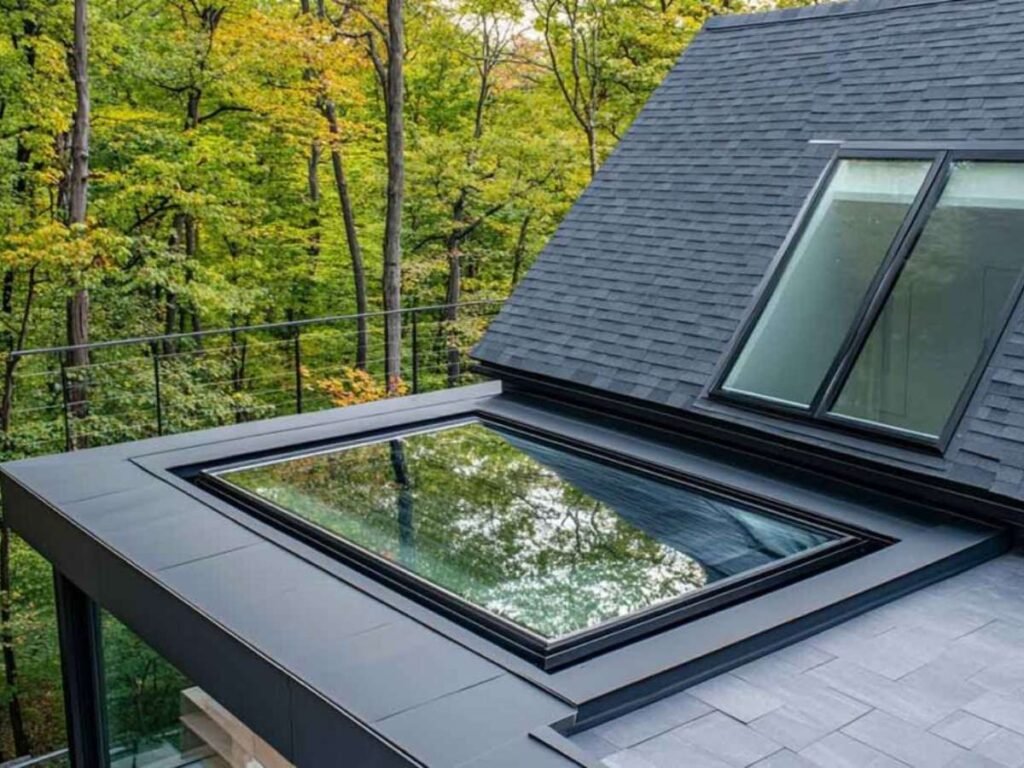
Skylights have become increasingly popular in modern home design, offering natural light, aesthetic appeal, and a sense of openness that traditional windows often cannot match. While many homeowners focus on the beauty and illumination that skylight provide, their impact on home energy efficiency is equally important. Understanding how skylights interact with heating, cooling, and lighting needs can help homeowners make informed decisions when they choose to install them.
Benefits of Skylights for Energy Efficiency
Skylights can positively influence a home’s energy efficiency in several ways. One of the most significant benefits is the reduction in the need for artificial lighting. By allowing natural sunlight to penetrate deep into a home, skylights can lower electricity usage during daytime hours. This not only saves money on energy bills but also reduces the environmental footprint of the household.
Another energy-related benefit of skylights is their potential to provide passive solar heating. During colder months, strategically placed skylights can capture sunlight and help warm interior spaces. This reduces reliance on heating systems and can lead to noticeable energy savings over time. Homes in regions with long winters or limited daylight can especially benefit from skylight installation.
Potential Energy Drawbacks
Despite their benefits, skylights can also present challenges when it comes to energy efficiency. Improperly designed or installed skylights may lead to heat loss during winter or excessive heat gain in summer. This can strain HVAC systems and increase utility costs. For example, single-pane skylights or units without proper insulation can allow warm air to escape in the winter or let hot air in during the summer, negating the benefits of natural lighting.
Additionally, some skylights can create glare or uneven lighting, which may lead homeowners to rely more on artificial lighting than intended. Poor placement of skylights in rooms that receive direct afternoon sun can increase cooling demands, especially in warmer climates.
Choosing the Right Skylight
Selecting the correct skylight is critical for optimizing energy efficiency. Modern skylights come in a variety of styles, materials, and glazing options. Double-glazed or triple-glazed skylights are highly recommended because they provide better insulation and reduce unwanted heat transfer. Low-emissivity (Low-E) coatings on skylight glass can further improve energy performance by reflecting infrared heat while allowing natural light to pass through.
The orientation and placement of a skylight also play a significant role in energy efficiency. South-facing skylights in the Northern Hemisphere capture maximum sunlight during winter, while east- or west-facing skylights may increase cooling loads due to intense morning or afternoon sun. In some cases, installing skylight shades or blinds can help manage light and heat gain without sacrificing the benefits of natural illumination.
Ventilated Skylights and Airflow
Ventilated skylights, also known as venting skylights, offer an additional energy efficiency advantage. These units can be opened to allow hot air to escape in the summer, reducing the load on air conditioning systems. Improved ventilation helps regulate indoor temperature naturally, which can be particularly beneficial in rooms like kitchens or bathrooms where heat and humidity levels fluctuate. Homeowners considering “Buy skylight” options should explore ventilated designs to maximize both comfort and energy savings.
Skylights and Daylighting Strategy
Incorporating skylights into a broader daylighting strategy can significantly impact energy use. By combining skylights with light shelves, reflective surfaces, or strategically placed interior windows, homeowners can evenly distribute natural light throughout their living spaces. This reduces dependence on electrical lighting and enhances the overall efficiency of the home.
It is also important to consider seasonal variations in daylight. During summer, shading devices or tinted glazing can prevent overheating, while in winter, maximizing sunlight can supplement heating systems. A well-planned daylighting strategy, complemented by energy-efficient skylights, can create a harmonious balance between natural light, temperature control, and energy savings.
Long-Term Energy Considerations
While skylights can improve energy efficiency, long-term maintenance and performance must be factored into decisions. High-quality skylights may have higher upfront costs, but their superior insulation, durability, and energy performance often result in savings over time. Regular inspection of skylights for leaks, seal deterioration, or glass damage ensures that energy efficiency is maintained throughout their lifespan.
Homeowners looking to “Buy skylight” should also consider certifications such as ENERGY STAR ratings. These certifications indicate that the skylight meets specific energy performance standards, providing reassurance that the product will contribute positively to home efficiency.
Integrating Skylights into Green Building Practices
For homeowners interested in sustainable living, skylights offer a way to align with green building principles. By reducing reliance on artificial lighting and optimizing passive solar heating, skylights contribute to lower energy consumption and a reduced carbon footprint. When combined with energy-efficient windows, insulation, and HVAC systems, skylights can be a key component in a comprehensive home energy strategy.
Additionally, solar-powered skylights or tubular skylights offer alternatives for homes where traditional roof skylights may not be practical. These options provide natural light with minimal energy impact, further enhancing a home’s overall efficiency.
Conclusion
Skylights are more than just aesthetic additions to a home—they can be powerful tools for improving energy efficiency when chosen and installed thoughtfully. By reducing the need for artificial lighting, enabling passive solar heating, and supporting natural ventilation, skylights help homeowners save on energy costs and enhance indoor comfort. However, careful attention must be paid to selection, placement, and maintenance to avoid potential energy drawbacks such as heat loss or excessive heat gain.
When considering “Buy skylight” options, homeowners should prioritize high-quality, insulated, and appropriately glazed units, possibly incorporating venting features or shading devices to optimize performance. By integrating skylights into a strategic approach to daylighting and home energy management, they can enjoy both the visual and financial benefits of a well-lit, energy-efficient home.



More Stories
How Water Damage Cleanup Can Save You Money in the Long Run
Why Choosing Utah Restoration Pros Makes Flood Recovery Easier
How Professional Disaster Cleanup Can Save You Time and Money