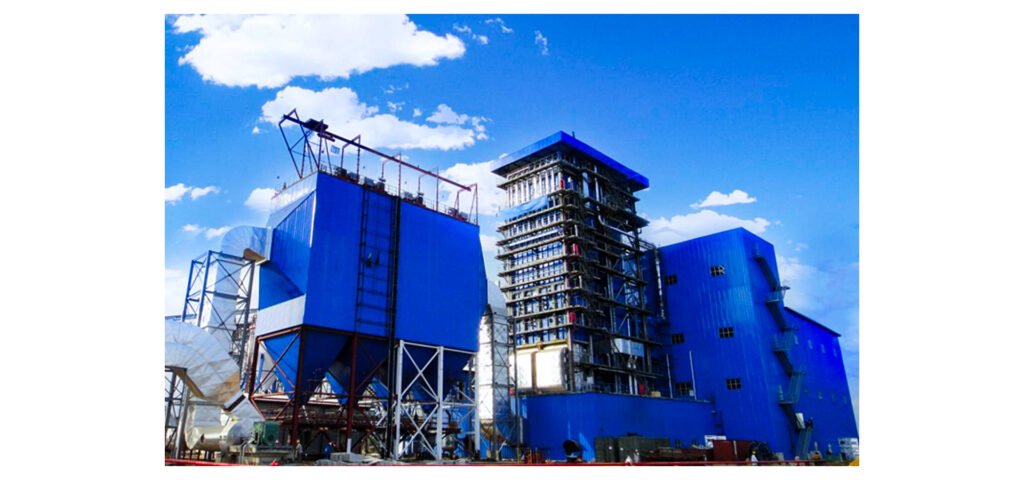
Coal-fired power plant equipment installation remains a critical element in global energy infrastructure as the world navigates the complex terrain between energy demand, environmental concerns, and technological advancements. Despite the rapid growth of renewable energy sources, coal-fired plants continue to play a role in many nations’ energy portfolios, particularly in regions where energy security and economic constraints make coal a viable option. This article explores the future of coal-fired power plant equipment installation, highlighting emerging trends, key insights, and the transformative forces shaping this sector.
The Current State of Coal-Fired Power Plant Equipment Installation
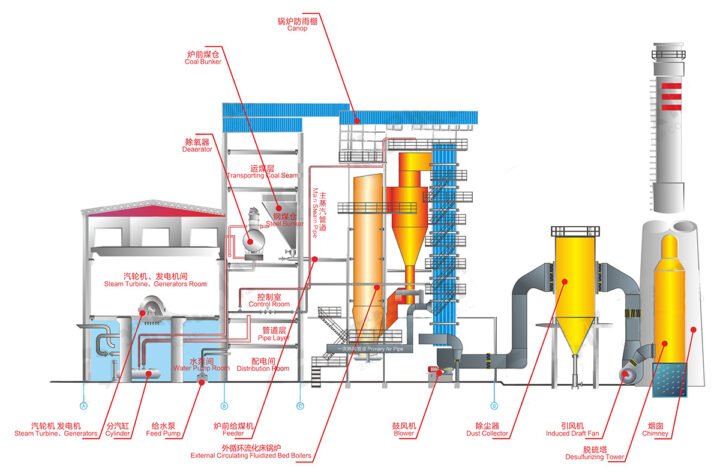
Coal-fired power plant equipment installation encompasses the setup of boilers, turbines, generators, flue gas desulfurization (FGD) systems, pollution control devices, ash handling equipment, and a host of auxiliary systems. These installations require meticulous planning, engineering excellence, and robust project execution capabilities due to their technical complexity and scale.
Traditional installation practices have focused primarily on achieving operational efficiency within the constraints of existing technologies. Projects have typically followed rigid schedules to minimize downtime and ensure that energy generation capabilities reach full capacity swiftly. However, the increasing push for environmental compliance and efficiency is pushing the sector toward modernization.
Technological Innovation Drives Installation Transformation
One of the most significant trends in coal-fired power plant equipment installation is the integration of advanced technologies. Digitalization, automation, and smart solutions are transforming how equipment is installed, commissioned, and maintained. Technologies such as Building Information Modeling (BIM), Internet of Things (IoT) sensors, and automated quality assurance systems are enhancing precision, reducing human error, and improving overall project outcomes.
Digital twins — virtual replicas of physical systems — are gaining traction in equipment installation. They allow engineers to simulate installation processes, monitor system performance in real-time, and predict potential issues before they arise. For coal-fired power plant equipment installation, this means reduced downtime, streamlined workflows, and optimized labor utilization.
Modular and Prefabricated Solutions
Modularization is reshaping the installation landscape. Instead of fabricating and assembling components entirely on-site, manufacturers and engineering firms are increasingly adopting prefabricated modules that can be transported and integrated with minimal disruption.
Prefabricated solutions for key plant components such as control rooms, electrical systems, and even sections of boilers and turbines help compress installation schedules and improve quality control. This also reduces the need for extensive on-site labor and lowers safety risks associated with complex installations at height or within confined environments.
Modular techniques align well with the trend of upgrading existing coal-fired plants, allowing for retrofits that enhance efficiency and emissions performance without completely halting operations.
Environmental Compliance and Retrofit Installations
Environmental regulations are tightening worldwide, and coal-fired power plant equipment installation is inevitably influenced by these mandates. Many existing plants are undergoing retrofits to install advanced pollution control equipment such as selective catalytic reduction (SCR) systems, electrostatic precipitators, and FGD units.
The trend toward cleaner coal technologies — such as low-NOx burners and supercritical or ultra-supercritical boilers — is also impacting equipment installation practices. These technologies promise improved fuel efficiency and reduced emissions, but they require more sophisticated installation expertise and precision engineering.
Retrofitting old plants with new equipment can be significantly more challenging than installing systems in new constructions. Project planners must carefully sequence activities to avoid major disruptions and ensure safety. As a result, there is growing demand for skilled installation professionals with experience in both legacy systems and cutting-edge environmental technologies.
Workforce Evolution and Skill Development
The evolving demands of coal-fired power plant equipment installation are reshaping the workforce. Traditional construction and installation skills remain foundational; however, there is a growing need for expertise in digital tools, automation, and advanced engineering methodologies.
Training programs are adapting to this shift by incorporating modules on digital installation technologies, safety management, and environmental compliance. As older workers retire, the industry faces the dual challenge of transferring knowledge and attracting new talent proficient in both conventional and emerging installation practices.
Partnerships between power companies, engineering firms, and vocational institutions are playing a crucial role in building this workforce pipeline. Investing in continuous learning ensures that the industry remains capable of managing increasingly complex installations.
Safety and Risk Management Improvements
Safety has always been paramount in coal-fired power plant equipment installation, but new technologies and practices are elevating how risks are managed. Wearable technologies that monitor worker vital signs and environmental conditions are helping reduce accidents.
Advanced scheduling software and predictive analytics are also contributing to safer project environments. By identifying potential hazards and bottlenecks before they impact the installation phase, project managers can proactively mitigate risks.
Furthermore, the adoption of robotics in hazardous tasks — such as welding at high temperatures or handling heavy components — is reducing human exposure to dangerous conditions. As safety standards evolve, these technologies are expected to become standard components of the coal-fired power plant equipment installation process.
The Role of Policy and Investment
Policy decisions and investment trends directly impact the future of coal-fired power plant equipment installation. In many developed economies, the shift toward renewable energy and stringent emissions targets are reducing new coal plant constructions. However, in developing regions, demand for affordable and reliable power continues to drive coal plant installations.
Governments are increasingly incentivizing cleaner coal technologies and retrofitting initiatives to reduce the environmental footprint of existing installations. These policies influence the types of equipment installed and the expertise required to manage complex compliance-driven projects.
Investment in research and development also plays a crucial role. Funding innovations that make coal-fired plants more efficient and environmentally compliant can extend their operational lifespan. This ensures that coal-fired power plant equipment installation remains relevant, even as the global energy mix evolves.
Sustainability Considerations and Carbon Capture Integration
The future of coal-fired power plant equipment installation cannot be discussed without addressing sustainability. Carbon capture, utilization, and storage (CCUS) technologies are emerging as a potential game-changer. These systems capture CO2 emissions at the source and either store them underground or repurpose them for industrial use.
Installing carbon capture equipment presents unique challenges due to its scale and integration with existing power systems. It requires precision engineering, additional infrastructure, and advanced control systems. However, as carbon pricing becomes more widespread and emissions regulations become more stringent, CCUS integration is likely to become a key aspect of future coal-fired power plant equipment installation projects.
Looking Ahead: Balancing Tradition and Innovation
Coal-fired power plant equipment installation is at a crossroads. While global energy policies increasingly favor renewable sources, coal remains an essential part of the energy mix in many regions. The industry’s future will depend on its ability to innovate, adapt, and meet environmental requirements without compromising energy reliability.
Emerging technologies, modular installation practices, workforce evolution, and sustainability-oriented solutions are driving this transformation. Companies that embrace these trends and invest in people, technology, and infrastructure will be well-positioned to lead in a changing energy landscape.
In conclusion, coal-fired power plant equipment installation is evolving rapidly under the influence of digitalization, environmental compliance, and sustainability goals. By staying ahead of technological trends and policy developments, stakeholders can ensure that coal-fired infrastructure continues to operate safely, efficiently, and responsibly in the years to come.



More Stories
Strategies for Effective Oversight of Industrial Boiler Island EPC
The Future of Beauty Products: Trends to Watch in 2026
Top Property & Real Estate Investment Strategies for Beginners