Plumbing issues can strike at the most inconvenient times. From a leaking faucet to a clogged drain, these minor problems often disrupt daily life. While some situations require professional assistance, many minor issues can be handled with simple DIY solutions. Knowing how to tackle small plumbing emergencies not only saves money but also prevents further damage to your home. In this article, we will explore practical methods to handle common minor emergency plumbing problems safely and effectively.
Identifying Minor Plumbing Emergencies
The first step in addressing any plumbing problem is identifying whether it is minor or requires professional intervention. Minor emergency plumbing issues typically include slow drains, small leaks, running toilets, dripping faucets, or low water pressure. These issues are often manageable with basic tools and supplies available in most households. Recognizing the early signs can prevent small problems from escalating into costly repairs.
Common Signs of Emergency Plumbing Problems
- Leaky Faucets: Persistent dripping not only wastes water but can lead to higher utility bills and damage to sinks or countertops.
- Clogged Drains: Slow drainage in sinks, bathtubs, or showers often signals a clog. Minor blockages can usually be cleared without professional help.
- Running Toilets: A toilet that continues to run after flushing can waste gallons of water daily and indicates a malfunctioning flapper or fill valve.
- Low Water Pressure: Reduced water flow can occur due to mineral buildup in pipes or faucet aerators, which is often a simple fix.
- Minor Pipe Leaks: Small leaks under sinks or behind appliances are manageable with temporary sealing methods until a permanent solution is applied.
Tools and Supplies for DIY Plumbing
Before attempting any DIY solution for emergency plumbing, it’s essential to have the right tools and supplies. Having these items on hand allows you to address problems quickly and reduces the risk of causing further damage.
- Plunger: Essential for clearing clogged drains and toilets.
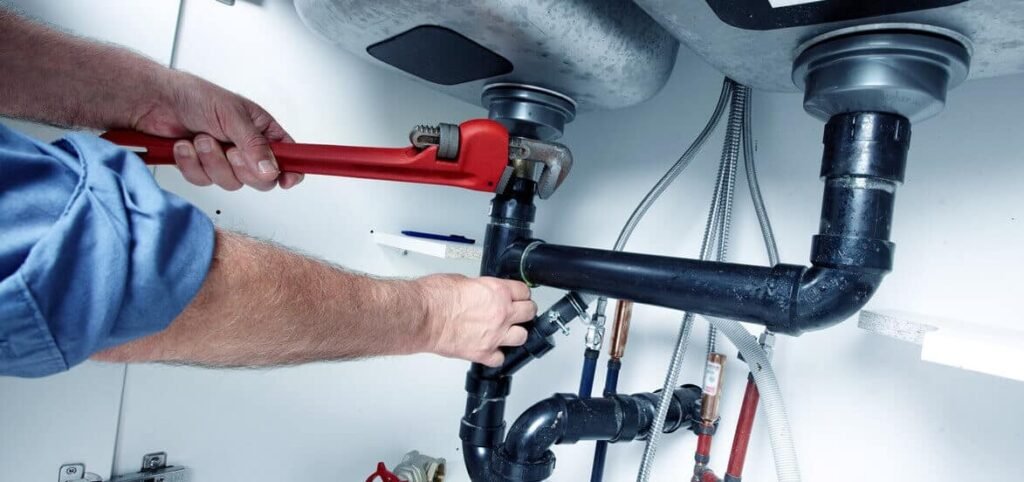
- Pipe Wrench: Useful for tightening or loosening plumbing connections.
- Plumber’s Tape: Also known as Teflon tape, used to seal threaded pipe joints and prevent leaks.
- Plumber’s Putty: Ideal for sealing minor leaks around sinks and fixtures.
- Drain Snake: Effective for removing stubborn clogs from pipes.
- Adjustable Wrench: Handy for various plumbing adjustments.
- Bucket and Towels: To catch water during repairs and prevent flooding.
- Vinegar and Baking Soda: Natural cleaning agents that help remove buildup in drains.
DIY Techniques for Common Plumbing Issues
Fixing a Leaky Faucet
A leaky faucet is one of the most common minor emergency plumbing problems. To fix it, start by turning off the water supply. Disassemble the faucet handle using a screwdriver, then inspect the washers or O-rings for damage. Replacing worn washers or rings usually resolves the leak. Reassemble the faucet and turn the water back on to check for improvement.
Unclogging Drains
Clogged drains are a frequent annoyance. Begin by using a plunger to dislodge the blockage. If that fails, a drain snake can reach deeper obstructions. For sinks, pouring a mixture of baking soda and vinegar followed by hot water often dissolves minor clogs caused by grease and soap buildup. Always avoid harsh chemical drain cleaners as they can damage pipes and worsen the emergency plumbing issue.
Repairing a Running Toilet
A running toilet can often be fixed without calling a plumber. Remove the tank lid and check the flapper for proper sealing. If the flapper is worn or misaligned, replace it. Adjusting the float arm can also stop the continuous flow of water. In many cases, these small adjustments restore normal operation and prevent water wastage.
Addressing Low Water Pressure
Low water pressure in faucets or showers is typically caused by mineral deposits in the aerator. Unscrew the aerator from the faucet, soak it in vinegar for a few hours, and scrub away any buildup. For showerheads, removing and cleaning the head in vinegar helps restore proper water flow. These simple techniques are effective DIY solutions for emergency plumbing issues involving reduced water pressure.
Handling Minor Pipe Leaks
Small leaks in visible pipes can be temporarily managed with plumber’s tape or putty. Turn off the water supply, dry the pipe, and apply the tape around the leaking joint. For minor cracks, plumber’s putty can seal the leak until a permanent repair is performed. These temporary fixes prevent water damage and provide time to schedule professional emergency plumbing services if needed.
Safety Precautions for DIY Plumbing
While DIY plumbing solutions can save time and money, safety should always come first. Here are important precautions to follow:
- Always turn off the water supply before attempting any repair.
- Use protective gloves and eyewear to avoid injuries.
- Avoid using excessive force when loosening or tightening pipes to prevent damage.
- If unsure about a repair, consult a professional to avoid worsening the emergency plumbing problem.
When to Call a Professional
While many minor plumbing problems can be handled with DIY solutions, some situations require professional attention. Large leaks, burst pipes, sewer backups, or persistent water pressure issues are beyond typical DIY capabilities. Calling a licensed plumber ensures safety, prevents further damage, and provides long-term solutions. It’s important to recognize the limits of DIY plumbing and know when professional emergency plumbing services are necessary.
Preventing Future Plumbing Problems
Regular maintenance reduces the risk of minor emergencies turning into major problems. Simple preventive measures include:
- Inspecting pipes and fixtures regularly for leaks.
- Cleaning drains periodically to prevent clogs.
- Avoiding flushing inappropriate materials down toilets.
- Installing water softeners in areas with hard water to reduce mineral buildup.
- Keeping basic plumbing tools handy for quick fixes.
By taking these proactive steps, homeowners can handle minor issues before they escalate into costly repairs and reduce the likelihood of emergency plumbing situations.
Conclusion
Minor emergency plumbing problems don’t always require a professional plumber. With the right tools, knowledge, and safety precautions, many issues such as leaky faucets, clogged drains, running toilets, low water pressure, and small pipe leaks can be managed effectively at home. Recognizing the problem early and applying practical DIY solutions helps save money, minimize water damage, and maintain a smooth-running household. However, it’s equally important to know when a problem exceeds your DIY capabilities and requires professional intervention. By combining DIY skills with preventive maintenance, homeowners can keep emergency plumbing issues under control and ensure their plumbing system functions efficiently for years to come.

More Stories
Disaster Clean Up Company: Why Hiring Professionals Saves You Time
Why Hiring a Professional Disaster Restoration Company Saves Time and Money
How Water Damage Cleanup Can Save You Money in the Long Run