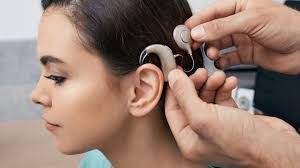
Hearing is one of the most crucial senses that shape a child’s development, communication, and learning abilities. For children born with significant hearing loss or those who experience it at an early age, everyday interactions and educational experiences can be challenging. Fortunately, advances in medical technology have introduced cochlear implants—a transformative solution that can significantly enhance a child’s quality of life. This article delves into the cochlear implant benefits for kids and the profound changes it brings to their lives.
Understanding Cochlear Implants
A cochlear implant is a small electronic device that bypasses damaged parts of the inner ear to directly stimulate the auditory nerve. Unlike hearing aids, which amplify sound, cochlear implants provide a sense of sound to children who may not benefit from conventional hearing devices. The device consists of an external portion that sits behind the ear and a surgically implanted internal portion. The external part captures sounds, converts them into digital signals, and transmits them to the internal implant, which stimulates the auditory nerve to send these signals to the brain.
This technology has opened up new opportunities for children with severe to profound hearing loss, allowing them to perceive and interpret sounds in a way that was previously impossible.
Early Intervention and Developmental Advantages
One of the most critical factors in the success of cochlear implants for kids is early intervention. Research consistently shows that children who receive cochlear implants at a younger age tend to achieve better language and communication outcomes. Early exposure to sound is vital for developing speech, vocabulary, and social skills.
Cochlear implant benefits for kids extend beyond just hearing sounds—they support cognitive development, help children engage with their environment, and promote learning through auditory experiences. Early recipients often show improved language comprehension, pronunciation, and the ability to follow instructions, which can give them a significant advantage in educational settings.
Enhancing Communication Skills
Communication is the cornerstone of social interaction and academic success. Children with hearing impairments often face difficulties in expressing themselves and understanding others, which can lead to frustration and social isolation. Cochlear implants provide access to a wider range of sounds, enabling children to recognize speech patterns and communicate more effectively.
With consistent therapy and practice, kids with cochlear implants often develop speaking abilities comparable to their hearing peers. This improvement can foster self-confidence, reduce dependence on lip reading, and make classroom participation more inclusive. Parents often notice a remarkable difference in their child’s ability to engage in conversations, sing, and enjoy music—activities that were once challenging or impossible.
Academic and Educational Benefits
Cochlear implants can have a profound impact on a child’s academic performance. By improving the ability to hear teachers, classmates, and multimedia resources, children can more fully participate in classroom learning. Enhanced auditory input allows for better understanding of lectures, instructions, and group discussions, which contributes to improved literacy, comprehension, and critical thinking skills.
Moreover, children with cochlear implants often require fewer specialized accommodations, making mainstream education more accessible. Teachers can more easily integrate these students into regular classes, creating a more inclusive learning environment and promoting social development alongside academic growth.
Social and Emotional Growth
The cochlear implant benefits for kids extend into social and emotional development. Hearing loss can sometimes lead to feelings of isolation, frustration, or low self-esteem. When children can hear and interact more effectively with peers, they are more likely to form friendships, participate in group activities, and experience a sense of belonging.
Cochlear implants also support emotional well-being by allowing children to enjoy everyday experiences fully, from family conversations to recreational activities. Improved communication reduces anxiety and frustration, empowering children to express themselves and build confidence in social settings.
Lifestyle Changes and Adaptation
While cochlear implants offer numerous advantages, it is important to recognize that adapting to them requires patience and support. Children must learn to interpret new sounds, which can initially be overwhelming. Auditory-verbal therapy and consistent practice help children adapt, gradually improving their listening and speaking skills.
Families also experience lifestyle changes, including regular follow-up appointments, device maintenance, and ongoing support from audiologists and speech therapists. Despite these adjustments, the long-term benefits often outweigh the temporary challenges, as children gain independence, self-expression, and the ability to engage with the world more fully.
Supporting Families Through the Journey
Cochlear implantation is not just a medical procedure; it is a family-centered journey. Parents and caregivers play a critical role in supporting their child’s adaptation to the implant. They are involved in therapy sessions, assist with daily device use, and encourage communication practice.
Support groups and counseling services provide valuable guidance, helping families navigate emotional and practical challenges. Connecting with other families who have experienced similar journeys can be reassuring and motivational, offering insights into successful strategies for maximizing the cochlear implant benefits for kids.
Technology Advancements and Future Potential
The field of cochlear implants continues to evolve, with advancements improving sound quality, comfort, and device functionality. Modern implants can better differentiate speech from background noise, allowing children to participate in diverse auditory environments. Wireless connectivity and integration with smartphones or educational tools also enhance learning opportunities and social engagement.
As technology progresses, the potential for even greater improvements in hearing and communication abilities grows, promising a future where children with hearing loss can achieve outcomes closer to their hearing peers than ever before.
Conclusion
Cochlear implants have revolutionized the lives of children with severe hearing loss, offering a path to improved hearing, speech, and social development. The cochlear implant benefits for kids encompass language acquisition, academic performance, emotional well-being, and overall quality of life. Early intervention, consistent therapy, and family support are key factors in achieving the best outcomes.
For parents considering cochlear implants, understanding the transformative potential of this technology is crucial. While the journey requires commitment and adaptation, the long-term rewards—enhanced communication, increased confidence, and enriched life experiences—make cochlear implants a life-changing option for children who struggle with hearing loss.


More Stories
Clever Last Minute Gift Ideas That Come to the Rescue
Distracted Driving in Ontario: Laws, Fines, and Safety Tips
Mini Cattle for Sale: A Beginner’s Guide to Miniature Cow Ownership