Introduction
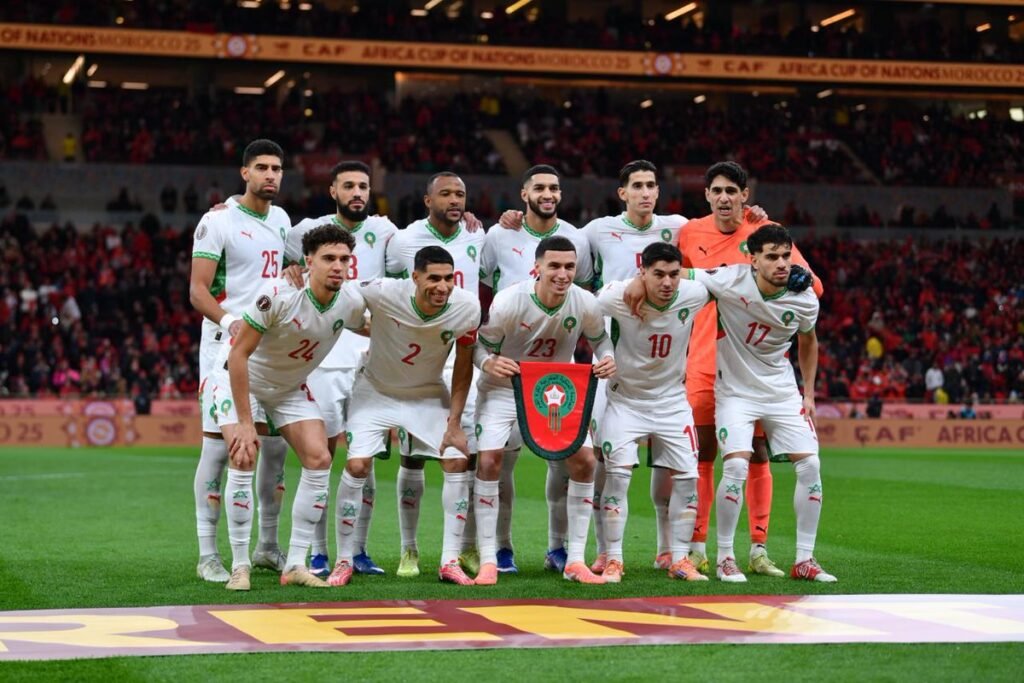
In recent years, African football news has increasingly highlighted one nation’s remarkable rise: Morocco. Once considered a competitive but inconsistent force, Morocco has transformed into a continental powerhouse with global recognition. From historic international performances to strategic investments in infrastructure and youth development, the North African nation is redefining its football identity and setting new standards across Africa.
This transformation is not accidental. It is the result of long-term planning, institutional support, and a clear vision driven by organizations like Royal Moroccan Football Federation. Today, Morocco stands as a model for football development in Africa, influencing both regional competitions and global perceptions.
Morocco’s Historic Rise on the Global Stage
One of the most defining moments in recent African football news was Morocco’s performance at the 2022 FIFA World Cup. The Atlas Lions became the first African and Arab team to reach the semi-finals of the tournament, defeating major footballing nations along the way.
Led by coach Walid Regragui, Morocco showcased tactical discipline, defensive strength, and unity. Their victories over teams like Spain and Portugal were not just wins—they were statements. The team’s success elevated African football on the global stage and reshaped expectations for what African nations can achieve.
This milestone moment continues to dominate African football news discussions, as analysts and fans alike recognize Morocco’s achievement as a turning point for the continent.
Investment in Infrastructure and Facilities
Morocco’s rise is deeply rooted in its investment in world-class football infrastructure. The country has developed modern stadiums, training centers, and academies that rival those in Europe. A prime example is the Mohammed VI Football Complex, one of Africa’s most advanced football facilities.
This state-of-the-art complex serves as a hub for player development, coaching education, and national team preparation. It reflects Morocco’s commitment to long-term excellence rather than short-term success.
Such developments frequently feature in African football news, as other nations look to replicate Morocco’s model to improve their own football ecosystems.
Youth Development and Talent Pipeline
A key factor behind Morocco’s growing influence is its focus on youth development. The country has invested heavily in scouting, training, and nurturing young talent both domestically and within the diaspora.
Many Moroccan players competing at the highest levels in Europe have dual heritage, and the federation has successfully integrated them into the national team. Stars like Achraf Hakimi and Hakim Ziyech have become symbols of this strategy.
Additionally, local academies continue to produce homegrown talent, ensuring a sustainable pipeline for the future. This dual approach—combining domestic development with international recruitment—has been widely praised in African football news circles.
Dominance in African Competitions
Morocco’s influence is not limited to global tournaments. The country has also made a significant impact in African club competitions governed by Confederation of African Football.
Clubs like Wydad Casablanca and Raja Casablanca have consistently performed well in the CAF Champions League, bringing titles and recognition to Moroccan football.
These successes contribute to Morocco’s growing reputation as a footballing powerhouse and reinforce its dominance in African football news headlines.
Hosting Major Football Events
Morocco has also positioned itself as a leading host for international football events. The country has repeatedly bid to host the FIFA World Cup and has successfully organized several continental tournaments.
In a historic move, Morocco is set to co-host the 2030 FIFA World Cup alongside Spain and Portugal. This announcement has been widely celebrated in African football news as a milestone achievement for the continent.
Hosting such events not only boosts Morocco’s global profile but also strengthens its infrastructure and economy, creating a lasting legacy for future generations.
Strategic Leadership and Vision
Behind Morocco’s success lies strong leadership and strategic planning. The Royal Moroccan Football Federation has implemented clear policies aimed at improving all aspects of the game, from grassroots development to elite competition.
Their approach includes investing in coaching education, enhancing league structures, and promoting women’s football. Morocco’s women’s national team has also made significant strides, further showcasing the country’s comprehensive approach to football development.
This holistic vision sets Morocco apart and is frequently highlighted in African football news as a benchmark for other nations.
Influence on African Football Culture
Morocco’s success is inspiring a new generation of players, coaches, and fans across Africa. The team’s achievements have instilled belief that African nations can compete with the best in the world.
Moreover, Morocco’s tactical discipline and professionalism have influenced how African teams approach international competitions. The emphasis on organization, teamwork, and mental resilience is becoming more prevalent across the continent.
As a result, Morocco is not just a successful team—it is a trendsetter shaping the future of African football.
Challenges and the Road Ahead
Despite its success, Morocco faces challenges in maintaining its upward trajectory. Competition within Africa is intensifying, with nations like Senegal, Egypt, and Nigeria continuing to invest in their football programs.
Additionally, balancing domestic league growth with international success remains a key challenge. Ensuring that local players receive adequate opportunities while integrating foreign-based talent requires careful management.
However, given Morocco’s current trajectory, it is well-positioned to overcome these challenges and continue its dominance in African football news.
Conclusion
Morocco’s growing influence on the continental stage is a testament to vision, investment, and determination. From historic World Cup performances to dominance in African competitions, the nation has established itself as a leader in African football.
As African football news continues to evolve, Morocco’s story serves as both inspiration and a blueprint for success. Its commitment to excellence, innovation, and unity has not only elevated its own status but also contributed to the global recognition of African football.




More Stories
Moroccan Football News Analysis: Tactical Trends This Season
All you need to know about penalty shootouts