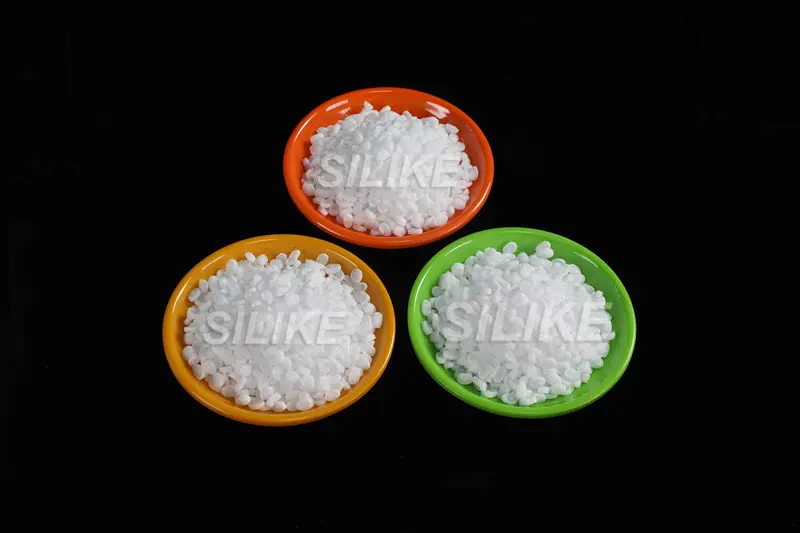
The plastic manufacturing industry constantly seeks ways to improve product quality, production efficiency, durability, and overall performance. As customer expectations increase and manufacturing technologies advance, manufacturers need innovative solutions that help them produce stronger, smoother, and more reliable plastic products. One effective solution is Silicone Additive Masterbatch, a specialized additive technology that enhances the processing characteristics and functional properties of plastic materials.
Silicone Additive Masterbatch is widely used in different plastic manufacturing applications because it can improve surface quality, reduce friction, support processing efficiency, and enhance the overall appearance of finished products. Whether manufacturers produce packaging materials, automotive components, household products, or industrial plastic parts, incorporating suitable silicone additives can provide valuable production advantages.
Understanding Silicone Additive Masterbatch
Silicone Additive Masterbatch is a concentrated formulation containing silicone-based ingredients dispersed in a compatible polymer carrier. It is introduced into plastic raw materials during processing to achieve specific performance improvements. Instead of adding silicone materials directly, manufacturers can use masterbatch formulations to achieve more consistent distribution and controlled additive levels.
These formulations are designed to work with different polymer systems, including polyethylene (PE), polypropylene (PP), and other thermoplastic materials. Depending on the formulation, they can provide improved lubrication, surface slip, scratch resistance, and processing performance.
The main advantage is that manufacturers can modify selected plastic properties without completely changing their existing production processes. This makes Silicone Additive Masterbatch a practical option for businesses looking to improve product quality while maintaining manufacturing efficiency.
Improving Surface Quality and Product Appearance
Surface appearance is an important consideration in plastic product manufacturing. Consumers often prefer products with smooth finishes, attractive textures, and consistent visual quality. Manufacturing defects such as scratches, surface marks, and unwanted friction can negatively affect the appearance and usability of plastic products.
Silicone Additive Masterbatch helps improve surface characteristics by reducing friction between plastic surfaces and processing equipment. Depending on the formulation, it can also enhance scratch and abrasion resistance.
These benefits are particularly valuable in applications where plastic components experience frequent handling or contact with other surfaces. Packaging films, molded household products, automotive interiors, and electronic equipment components can benefit from improved surface performance.
A better surface finish can also support product consistency, helping manufacturers meet customer expectations and maintain quality standards.
Enhancing Processing Efficiency
Efficient production is essential for manufacturers operating in competitive markets. Delays, inconsistent material flow, and processing difficulties can increase production costs and reduce output.
One of the practical benefits of Silicone Additive Masterbatch is its ability to improve material processing. Silicone-based additives can reduce friction during extrusion, injection molding, and other plastic manufacturing operations.
Lower friction may help materials move more smoothly through processing equipment. It can also reduce material buildup on selected surfaces, depending on the application and formulation.
These improvements can contribute to more stable manufacturing operations and potentially reduce interruptions caused by processing difficulties.
Manufacturers should select the appropriate formulation and addition rate according to their polymer type, machinery, processing temperature, and production requirements.
Supporting Scratch and Abrasion Resistance
Plastic products are frequently exposed to mechanical contact during transportation, storage, installation, and everyday use. Scratches and abrasion can reduce their visual appeal and affect customer satisfaction.
Silicone Additive Masterbatch can help improve resistance to surface damage by modifying the surface properties of plastic materials. Certain formulations create a smoother surface that reduces friction and helps minimize visible marks during handling and use.
This advantage is especially useful in automotive interiors, consumer electronics, furniture components, plastic containers, and other products where surface durability matters.
However, the actual level of scratch resistance depends on the polymer formulation, silicone content, manufacturing conditions, and the type of testing performed.
Applications Across Different Industries
Silicone Additive Masterbatch offers versatility across numerous manufacturing sectors. Its ability to improve selected material properties makes it suitable for different plastic applications.
Packaging Industry
In the packaging industry, manufacturers use plastic films, bags, containers, and protective materials that require consistent surface properties. Silicone additives can improve slip characteristics, reduce friction, and support smoother film processing.
These improvements may help packaging materials move efficiently through converting, winding, and filling operations.
Automotive Industry
Automotive manufacturers require plastic components that combine attractive appearance with reliable performance. Interior panels, dashboards, decorative trims, and other plastic components can benefit from improved scratch resistance and surface feel.
Silicone Additive Masterbatch can help manufacturers achieve selected surface properties while maintaining the desired characteristics of the base polymer.
Household Products
Plastic household products experience regular handling, cleaning, and surface contact. Storage containers, furniture accessories, kitchen products, and appliance components can benefit from improved surface smoothness and durability.
Using suitable additives can help manufacturers produce products that maintain their appearance during everyday use.
Industrial Plastic Products
Industrial applications often require plastic materials that perform consistently under demanding operating conditions. Silicone-based additives can support smoother processing and improve selected surface properties in manufactured components.
The correct formulation depends on the intended application and the performance requirements of the finished product.
Choosing the Right Silicone Additive Masterbatch
Selecting the appropriate additive formulation is essential for achieving the desired results. Not every masterbatch is suitable for every polymer or manufacturing application.
Manufacturers should consider several important factors before making a purchasing decision.
Polymer compatibility: The carrier resin should be compatible with the base polymer to support proper dispersion and consistent performance.
Processing method: Injection molding, extrusion, blow molding, and film production may require different additive formulations.
Desired performance: Manufacturers should identify whether their primary objective is improved slip, reduced friction, scratch resistance, surface smoothness, or better processing behavior.
Addition rate: The recommended dosage should be determined according to the supplier’s technical guidelines and application testing.
Quality consistency: Reliable product specifications and consistent batches are important for maintaining stable production results.
Working with an experienced masterbatch supplier can help manufacturers identify suitable formulations and avoid unnecessary production adjustments.
The Importance of Testing and Quality Control
Although Silicone Additive Masterbatch offers several advantages, manufacturers should evaluate its performance before introducing it into large-scale production.
Laboratory testing and production trials can help determine whether the additive meets the required specifications. Important evaluation areas may include surface friction, scratch resistance, dispersion quality, processing stability, and finished product appearance.
Manufacturers should also monitor the impact of additives on other material properties, including mechanical strength, adhesion, printing, painting, and sealing performance.
A carefully controlled testing process helps identify the correct dosage and ensures that the selected formulation performs consistently under actual manufacturing conditions.
Supporting More Efficient Manufacturing Practices
Modern plastic manufacturers increasingly focus on reducing waste, improving energy efficiency, and optimizing material consumption. Additive technologies can contribute to these objectives when they are selected and applied appropriately.
By improving material flow and reducing processing friction, Silicone Additive Masterbatch may help manufacturers achieve more consistent production. Better processing stability can also reduce certain manufacturing defects and material losses.
However, the environmental benefits depend on the specific production process, formulation, and measurable manufacturing outcomes. Manufacturers should evaluate these factors rather than assuming that every silicone-based additive automatically improves sustainability.
Future Opportunities for Silicone Additive Technology
The demand for high-performance plastic products continues to create opportunities for advanced additive solutions. Manufacturers are exploring improved formulations that deliver better surface characteristics, processing efficiency, and compatibility with different polymer systems.
Developments in polymer engineering and masterbatch technology are also encouraging more application-specific solutions. These innovations can help manufacturers address changing requirements across packaging, automotive, electronics, construction, and consumer goods industries.
As production standards become more demanding, silicone-based additives are likely to remain an important option for improving selected plastic material properties.
Conclusion
Silicone Additive Masterbatch provides plastic manufacturers with a practical way to improve product performance, enhance surface quality, reduce friction, and support more efficient processing operations. Its versatility makes it suitable for a wide range of applications, including packaging, automotive components, household products, and industrial plastic materials.
Successful implementation depends on selecting a compatible formulation, following recommended addition rates, and conducting appropriate performance testing. By working with reliable suppliers and maintaining effective quality control, manufacturers can achieve more consistent results and improve the overall value of their plastic products.
As the plastics industry continues to evolve, Silicone Additive Masterbatch will remain a valuable solution for manufacturers seeking practical improvements in product quality and production performance.



More Stories
How to Make Your Community a Better Place Through Consistent Action
What Public Safety Leaders Teach About Making Responsible Decisions in Difficult Situations
How to Develop Solutions That Match Your Clients’ Unique Expectations