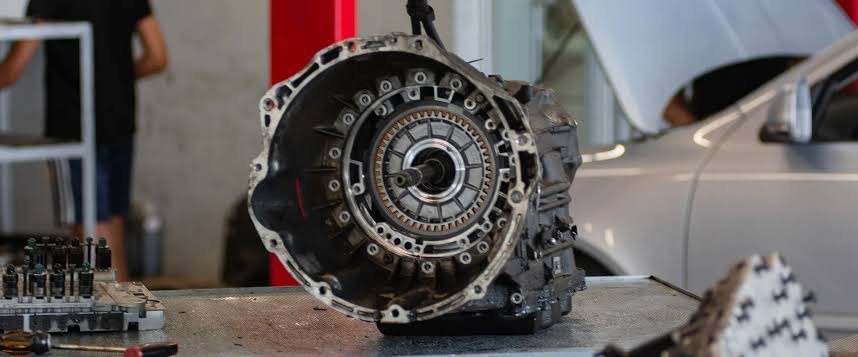
Living in the Valley of the Sun presents unique challenges for vehicle maintenance, and your car’s transmission is no exception. Between scorching summer temperatures that routinely test coolant limits and heavy commuter traffic on scorching asphalt arteries like I-10 and Loop 101, automotive components endure immense strain. When your vehicle starts showing signs of transmission failure, drivers are immediately faced with a critical dilemma: should you invest in a targeted transmission repair, or is it time for a complete gearbox replacement? Navigating this decision in the local market requires an understanding of warning signs, diagnostic processes, and the unique environmental factors at play in Arizona.
The Phoenix Climate and Transmission Health
Extreme heat is the silent killer of automotive transmissions. In Phoenix, ambient temperatures during the summer months can soar well past one hundred degrees, causing asphalt temperatures to spike even higher. Automatic transmissions rely heavily on transmission fluid to both lubricate moving parts and cool the system down. When operating in extreme heat, transmission fluid can degrade, break down, or burn much faster than it would in milder climates. Over time, oxidized fluid loses its hydraulic properties, leading to slipping gears, delayed engagements, and accelerated wear on clutches and bands. For this reason, routine fluid checks and maintenance are vital for anyone driving in the desert. Recognizing the early symptoms of heat-related degradation can save you from a catastrophic mechanical failure miles away from home.
Common Signs Your Transmission Needs Attention
Your vehicle will almost always communicate when its gearbox is unhappy, provided you know what symptoms to look for. Ignoring these warning signs usually turns a minor, inexpensive fix into a major overhaul. One of the most frequent indicators is delayed or rough shifting. If your car hesitates before going into drive or reverse, or if you feel a distinct jolt, thud, or slip when the transmission changes gears, the hydraulic pressure or clutch packs are likely compromised.
Another major red flag is unusual noises. A healthy automatic transmission operates relatively quietly. If you hear a whining, buzzing, or clunking sound when shifting, or a persistent humming noise while idling in neutral or park, internal components are experiencing abnormal friction. Furthermore, fluid leaks are a glaring warning. Transmission fluid is typically bright red or dark cherry when fresh, but ages to a brownish hue with a burnt odor. Finding red puddles underneath your vehicle in your driveway or parking space means the sealed system has been breached, risking total fluid starvation. Finally, the dreaded check engine light can point directly to transmission control module codes or internal sensor failures, demanding immediate professional diagnosis.
Repair Versus Replacement: Making the Right Call
When you finally take your vehicle to a trusted technician for diagnosis, the ultimate question arises: repair or replace? The answer depends heavily on the severity of the damage, the overall mileage and age of the vehicle, and the financial investment required relative to the car’s current market value.
Minor issues are almost always candidates for repair. If your transmission is slipping due to a faulty solenoid, a clogged filter, or a minor external fluid leak from a worn pan gasket or seal, a targeted repair is the most sensible and cost-effective route. Replacing individual components, rebuilding valve bodies, or swapping out external electronic modules can restore full functionality without breaking the bank. Additionally, if the vehicle has relatively low mileage and is otherwise in pristine condition, fixing the existing gearbox preserves the original factory matching of the drivetrain.
However, there comes a tipping point where a simple repair becomes a temporary band-aid on a failing system. If the transmission suffers from catastrophic internal failure—such as metal shavings contamination throughout the fluid lines, cracked transmission casings, or severely burned clutch packs that have welded themselves together—a complete rebuild or full gearbox replacement is usually necessary. Contaminated fluid lines are particularly dangerous; if metal debris is circulated through the cooler and lines, simply installing a new transmission without thoroughly flushing or replacing the cooling system will destroy the new unit within a few miles.
The Complexities of Manual Versus Automatic Gearboxes
While automatic transmissions are the dominant choice for daily Phoenix commuters navigating stop-and-go traffic, manual transmissions still have a dedicated following among driving enthusiasts and certain truck owners. The diagnostic and repair processes for manual units differ significantly from their automatic counterparts. While automatic gearboxes rely on complex hydraulic circuits, torque converters, and computerized control modules, manual systems depend on mechanical linkages, synchronizers, flywheels, and clutch assemblies.
If you drive a stick shift and encounter grinding noises when changing gears, a soft or spongy clutch pedal, or difficulty staying in gear, you might require specialized manual transmission repair Phoenix services rather than automatic gearbox servicing. Manual issues are frequently traced back to worn-out clutch discs, pressure plates, or throw-out bearings rather than internal hydraulic failure. Addressing these issues early prevents damage to the transmission gears themselves, ensuring a longer operational lifespan for your manual drivetrain.
Financial Considerations and Long-Term Value
Evaluating the cost of transmission work requires looking at the bigger picture of vehicle ownership. A complete transmission replacement or rebuild is undeniably a significant financial investment, often ranging from several thousand dollars depending on the make and model of the vehicle. Drivers must weigh this cost against the alternative of purchasing a brand-new or used replacement vehicle in today’s market.
If your car has high mileage, a compromised chassis, or a history of recurring mechanical problems, sinking money into a brand-new transmission might not make financial sense. Conversely, if the engine is strong, the body is rust-free, and you plan to keep the vehicle for several more years, investing in a high-quality remanufactured transmission with a robust warranty is often far cheaper than taking on monthly car payments for a new vehicle. Many reputable shops offer financing options to help ease the immediate burden of unexpected automotive repairs.
Choosing the Right Shop in the Valley
Entrusting your vehicle to a professional transmission specialist is critical for a lasting resolution. Because modern transmissions are heavily integrated with onboard computers and complex electronic sensors, generic mechanics may lack the specialized diagnostic tools required to pinpoint sophisticated drivetrain issues. Look for certified technicians who offer comprehensive diagnostic evaluations, transparent pricing, and strong warranty protections on their labor and parts. A trustworthy shop will never push for a full replacement if a minor repair or fluid flush will safely resolve the issue.
Preventive Maintenance Tips for Arizona Drivers
The best way to avoid a costly transmission replacement is to practice proactive preventive maintenance tailored to the harsh desert climate. Adhere strictly to manufacturer recommendations for transmission fluid changes, but consider shortening the interval if you frequently drive in heavy traffic, haul heavy loads, or drive through extreme summer heat. Installing an auxiliary transmission cooler can also drastically lower operating temperatures, protecting your fluid from thermal breakdown and extending the life of your gearbox. Always monitor your parking spots for leaks and address unusual shifting behaviors immediately. By staying vigilant, you can keep your vehicle running smoothly on Phoenix roads for years to come.


More Stories
Finding the Best Transmission Shop in Glendale AZ for Quality Repairs and Service
Bodykits and Aerodynamics: Understanding Style, Fitment, and Performance
Car Rentals in Curacao: Everything You Need to Know Before Booking