Introduction
Bodykits have become a popular way for car enthusiasts to personalize their vehicles, improve their appearance, and explore the relationship between automotive design and performance. From aggressive front bumpers to stylish side skirts and rear diffusers, bodykits can transform an ordinary vehicle into something more distinctive. However, their purpose extends beyond appearance. When carefully designed and installed, certain aerodynamic components can also influence airflow, stability, and overall driving characteristics.
Understanding bodykits requires more than choosing an attractive design. Vehicle compatibility, material quality, installation methods, and aerodynamic functionality all play important roles in achieving the desired result. Whether someone wants a sporty appearance or a performance-focused upgrade, learning about these factors helps ensure a successful modification.
What Are Bodykits?
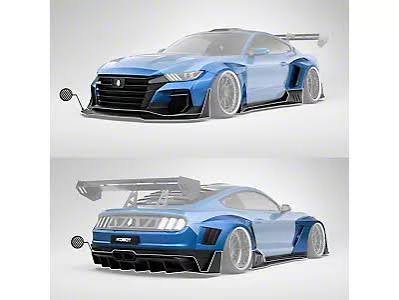
A bodykit is a collection of exterior components designed to modify a vehicle’s original bodywork. These components can replace factory parts or attach to existing panels to create a different appearance and, in some cases, alter airflow around the vehicle.
Common bodykit components include front bumpers, rear bumpers, side skirts, front splitters, rear diffusers, and spoilers. Some kits include several matching pieces, while others focus on a single section of the car.
Bodykits are available in numerous designs, ranging from subtle factory-inspired upgrades to dramatic motorsport-style modifications. The right option depends on the vehicle, the owner’s preferences, and the intended use.
For daily drivers, understated styling can provide a refreshed appearance without making the vehicle difficult to use. Performance enthusiasts may prefer components developed with aerodynamic testing and specific driving conditions in mind.
Understanding the Main Components of a Bodykit
Front Bumpers and Splitters
The front bumper significantly influences a vehicle’s visual character. An aftermarket bumper may feature larger air openings, sharper contours, or a wider appearance that creates a more aggressive design.
A front splitter extends outward from the lower front section of the vehicle. Depending on its design and installation, it can help manage airflow and generate aerodynamic forces that influence front-end stability.
However, not every splitter produces meaningful performance benefits. Its effectiveness depends on factors such as its shape, position, ground clearance, and interaction with the rest of the vehicle.
Side Skirts
Side skirts run along the lower edges of a vehicle’s sides, connecting the visual design of the front and rear sections. They can make a car appear lower and wider while creating a coordinated exterior style.
Aerodynamically, side skirts may help manage airflow along the underside of a vehicle when engineered as part of a complete package. Their actual contribution depends on the surrounding bodywork and airflow conditions.
Rear Bumpers and Diffusers
A rear bumper can complete the appearance of a bodykit by introducing matching design lines, vents, or sculpted surfaces.
A rear diffuser is generally installed beneath the rear bumper. Properly designed diffusers help manage airflow leaving the underside of a vehicle. Their effectiveness depends on geometry, ride height, underbody design, and other aerodynamic factors.
Decorative diffuser fins may create a sporty appearance without providing substantial aerodynamic improvements, so buyers should distinguish between styling accessories and functional components.
Spoilers and Wings
Spoilers and wings are frequently associated with performance vehicles, but they serve different aerodynamic purposes.
A spoiler typically modifies airflow to reduce unwanted aerodynamic effects or help manage lift. A wing is designed to generate aerodynamic force through pressure differences across its surfaces. Depending on its design and angle, a wing can produce downforce that helps improve tire grip at suitable speeds.
These components can also increase drag. Consequently, their design should match the vehicle’s intended use rather than simply emphasizing appearance.
How Aerodynamics Influences Vehicle Performance
Aerodynamics describes how air moves around an object. For cars, this movement affects drag, lift, downforce, cooling, and stability.
At higher speeds, aerodynamic forces become increasingly important. A well-designed aerodynamic package may improve stability by managing lift and balancing forces between the front and rear axles.
Drag is the resistance a vehicle experiences while moving through the air. Reducing drag can improve efficiency under suitable driving conditions, while increasing downforce generally comes with an aerodynamic cost.
Downforce pushes a vehicle toward the road, potentially improving tire grip during high-speed cornering. However, generating additional downforce may increase drag and fuel or energy consumption.
It is also important to understand that an aftermarket bodykit does not automatically improve performance. Poorly designed components can disrupt airflow, increase drag, or create an unbalanced aerodynamic setup.
For everyday driving, the benefits of an aerodynamic modification may be limited compared with the effects of tire condition, suspension setup, and responsible driving practices.
Choosing the Right Bodykit for Your Vehicle
Vehicle Compatibility
Fitment is one of the most important considerations when purchasing a bodykit. Even vehicles from the same manufacturer can have different bumper shapes, mounting points, wheelbase dimensions, and trim configurations.
Before buying, confirm the exact make, model, production year, and trim level supported by the kit. Check whether the components are compatible with factory parking sensors, cameras, fog lights, and other installed equipment.
Reviewing product specifications and installation instructions can help prevent expensive mistakes. When information is unclear, contact the seller or manufacturer for confirmation.
Material Quality
Bodykits are produced using several materials, each offering different characteristics.
ABS plastic is commonly used for exterior automotive components because it offers flexibility and practical durability.
Fiberglass allows manufacturers to create detailed shapes and customized designs. However, it may crack under certain impacts and often requires careful preparation before painting.
Polyurethane offers flexibility that can be useful for components exposed to minor impacts, although product quality and construction vary.
Carbon fiber is valued for its distinctive appearance and favorable strength-to-weight characteristics. Genuine carbon-fiber components can be expensive, and their durability depends on manufacturing quality and construction.
Choosing the right material involves balancing cost, weight, appearance, repairability, and the conditions in which the vehicle will be driven.
Fitment and Installation
A quality bodykit should align properly with the vehicle’s original panels. Poor fitment can produce uneven gaps, loose attachments, unwanted vibrations, and an unfinished appearance.
Professional installation is often worthwhile, particularly for components requiring cutting, drilling, painting, or structural mounting. Installers can identify compatibility issues and ensure that components are secured appropriately.
Before final installation, components should be test-fitted to check alignment. Paint preparation should follow the manufacturer’s recommendations, and fasteners should be suitable for the component and mounting location.
Balancing Style and Practicality
A successful bodykit complements the vehicle rather than making it difficult to operate. An extremely low front splitter, for example, may look attractive but can scrape against speed bumps, steep driveways, or uneven roads.
Drivers should consider local road conditions, parking access, weather, and ground clearance before selecting an aggressive design. In areas with uneven surfaces, a more conservative kit may offer a better balance between appearance and convenience.
Color matching also matters. A bodykit painted to match the original finish can create a factory-inspired appearance, while contrasting colors and exposed materials can emphasize individual components.
Consistency is essential. Matching the front bumper, side skirts, and rear bumper creates a coordinated design, whereas combining unrelated styles may make the exterior appear unbalanced.
Wheel fitment, tire dimensions, and suspension height should also be considered. Changes in one area can affect the appearance and practical compatibility of other modifications.
Maintenance and Long-Term Care
Bodykits require regular inspection and cleaning to maintain their appearance and functionality. Road debris, moisture, temperature changes, and minor impacts can gradually affect exterior components.
Inspect mounting points, fasteners, and panel alignment periodically. Any loose or damaged component should be addressed promptly, especially if it could detach while driving.
Use cleaning products appropriate for the material and painted finish. Abrasive tools may scratch glossy surfaces, while unsuitable chemicals can damage certain coatings.
Owners of carbon-fiber components should follow the manufacturer’s care instructions to protect the finish. Fiberglass parts may require repair if cracks develop, while flexible plastic components should be checked for distortion or damage.
Routine care can help extend the useful life of a bodykit and preserve the vehicle’s overall appearance.
Legal and Safety Considerations
Before installing aftermarket bodywork, check applicable vehicle regulations and inspection requirements. Rules can cover exterior dimensions, sharp edges, lighting visibility, license plate placement, and changes that affect road safety.
Components should not obstruct headlights, indicators, cameras, parking sensors, or other essential equipment. Any modifications affecting crash structures or mounting systems require particular care.
Aerodynamic parts must be securely attached and appropriate for their intended operating conditions. Improper installation can create hazards for the driver and other road users.
If the vehicle is used on public roads, prioritize safe visibility, adequate ground clearance, reliable mounting, and compliance with local regulations.
Conclusion
Bodykits offer an effective way to personalize a vehicle, enhance its exterior design, and explore the principles of automotive aerodynamics. However, achieving a good result requires more than selecting an attractive set of components.
Understanding the purpose of front splitters, side skirts, diffusers, bumpers, and wings helps drivers make informed decisions about styling and potential performance benefits. Equally important are correct fitment, suitable materials, professional installation, and regular maintenance.
The best bodykit is one that matches the vehicle, suits its intended use, and balances visual appeal with practical requirements. By evaluating compatibility, aerodynamic design, road conditions, and safety regulations, car enthusiasts can create a distinctive vehicle that looks cohesive and remains enjoyable to drive.


More Stories
Car Rentals in Curacao: Everything You Need to Know Before Booking
Top Places to Find Seized Cars for Sale Without Overpaying
Finding Budget-Friendly Storage Units Near Me: A Guide to Local Pricing Options