The Rise of AI Palm Reading in the Digital Age
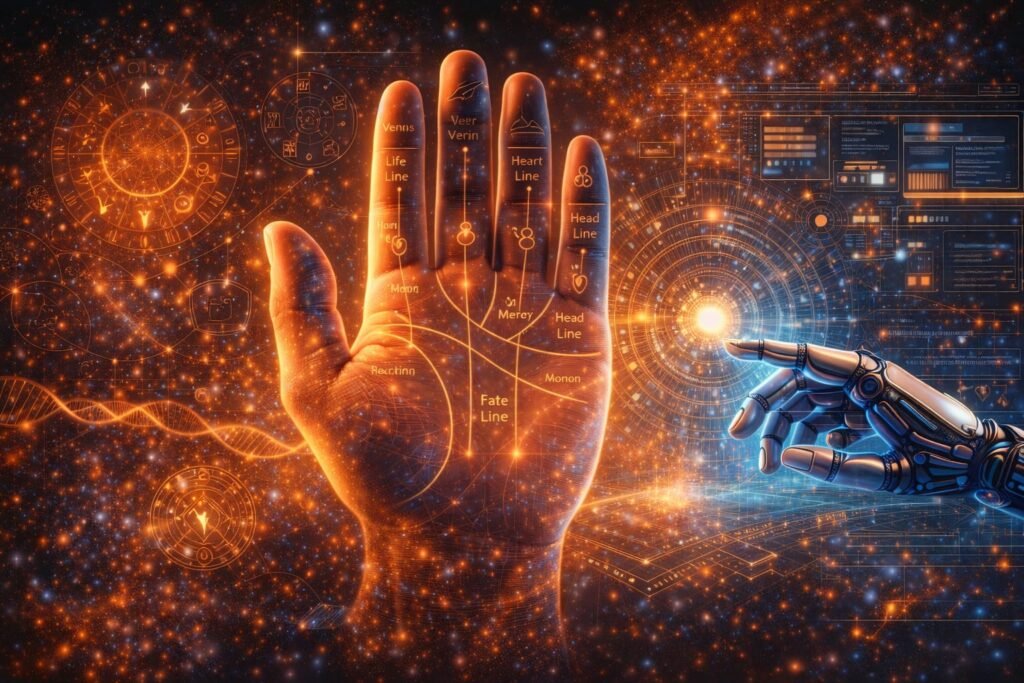
AI palm reading is quickly becoming one of the most talked-about intersections between ancient traditions and modern technology. Palmistry, once practiced by mystics and fortune tellers using only human intuition, is now being reimagined through artificial intelligence. With smartphone cameras and advanced machine learning algorithms, users can now scan their palms and receive instant interpretations about personality traits, emotional patterns, and potential life paths.
What makes AI palm reading so popular is its accessibility. Instead of visiting a traditional palm reader, anyone with a mobile device can upload an image of their hand and receive an automated analysis within seconds. This convenience has helped the trend spread rapidly across wellness apps, social media platforms, and digital entertainment tools.
However, the appeal is not only convenience. Many users are curious about how technology interprets something as personal as a palm. The combination of mysticism and data-driven analysis creates a unique experience that blends curiosity, entertainment, and self-reflection.
How AI Palm Reading Technology Works
At the core of AI palm reading is computer vision technology. This allows systems to detect lines, shapes, and patterns in a human hand. The AI is trained on thousands or even millions of palm images, learning to identify common features such as the heart line, head line, life line, and minor markings.
Once a user uploads an image, the system scans the palm and maps key points using image recognition techniques. Machine learning models then compare these patterns to existing datasets that are often linked with traditional palmistry interpretations. The output is a generated reading that tries to match personality insights or predictions based on recognized patterns.
Some advanced AI palm reading tools also combine psychological profiling. Instead of relying solely on traditional palmistry, they integrate behavioral science, personality quizzes, and data analytics. This hybrid approach is designed to make the results feel more personalized and engaging.
Why AI Palm Reading Is Becoming So Popular
The popularity of AI palm reading is driven by several social and technological trends. One of the biggest reasons is the growing interest in self-discovery tools. People are increasingly using apps that offer insights into personality, emotions, and future possibilities.
Another factor is the influence of social media. Short videos showing AI palm reading results often go viral because they are intriguing and interactive. Users enjoy comparing their results with friends, which adds a social entertainment element.
Additionally, the rise of artificial intelligence in everyday life has made people more open to experimenting with AI-based spiritual or psychological tools. Whether it is chatbots, recommendation systems, or virtual assistants, AI is already part of daily routines. AI palm reading fits naturally into this ecosystem as a fun and engaging application.
Accuracy and Limitations of AI Palm Reading
While AI palm reading is fascinating, it is important to understand its limitations. The interpretations generated by these systems are not scientifically proven predictions of the future. Instead, they are based on pattern recognition and generalized associations.
Traditional palmistry itself is considered a pseudoscience, and when combined with AI, the results become even more interpretative rather than factual. The AI does not “understand” destiny or emotions in a human sense; it only analyzes visual patterns and matches them to pre-programmed meanings.
Lighting conditions, hand positioning, and image quality can also affect results. A slightly tilted or blurry image may lead to inaccurate interpretations. Because of this, AI palm reading should be viewed more as entertainment or self-reflection rather than a reliable decision-making tool.
The Role of Machine Learning in Palm Analysis
Machine learning plays a central role in making AI palm reading possible. These systems rely on large datasets of hand images that are labeled with different palm features. Over time, the AI improves its accuracy by learning from corrections and feedback.
Deep learning models, especially convolutional neural networks (CNNs), are commonly used to analyze visual data like palm images. These models are highly effective at detecting subtle differences in lines and shapes that may not be easily visible to the human eye.
Some developers are also experimenting with generative AI to create more detailed personality narratives. Instead of simple one-line predictions, users may receive long-form interpretations that resemble human-written readings.
Ethical Concerns and Privacy Issues
As with many AI-based tools, AI palm reading raises concerns about data privacy. Users are required to upload images of their hands, which are biometric identifiers. If not properly secured, this data could potentially be misused or stored without consent.
There is also the ethical question of psychological influence. Some users may take AI-generated readings too seriously, especially if the predictions are vague but emotionally impactful. This can lead to unnecessary anxiety or false expectations.
Developers of AI palm reading applications are encouraged to include clear disclaimers stating that results are for entertainment purposes only. Transparency about data usage and storage is also essential to build user trust.
AI Palm Reading in Wellness and Entertainment Apps
Many modern wellness apps have started integrating AI palm reading as part of their feature set. It is often combined with astrology, meditation guides, and personality tests. This creates a broader digital wellness experience that appeals to users interested in mindfulness and self-exploration.
Entertainment platforms also use AI palm reading as an interactive feature. For example, users might unlock “daily readings” or share their palm analysis on social media. These features are designed to increase engagement rather than provide serious guidance.
The gamification of AI palm reading is one of the key reasons it continues to grow in popularity. By turning an ancient practice into a digital experience, developers are able to attract both curious users and casual audiences.
The Future of AI Palm Reading Technology
The future of AI palm reading is likely to involve more advanced personalization and integration with other AI systems. As algorithms become more sophisticated, readings may include voice explanations, animated visuals, and real-time feedback.
There is also potential for combining AI palm reading with wearable technology. Smart devices could continuously collect biometric data and provide evolving personality insights over time. This would shift palm reading from a one-time scan to an ongoing digital profile.
However, regulation may also increase as concerns about privacy and misinformation grow. Governments and tech companies may introduce guidelines to ensure that AI-based predictive tools remain transparent and ethical.
Conclusion
AI palm reading represents a fascinating blend of ancient tradition and modern technology. While it cannot predict the future with scientific accuracy, it offers a unique form of entertainment and self-reflection that resonates with today’s digital audience.
Its growth is fueled by curiosity, accessibility, and the expanding role of artificial intelligence in everyday life. As technology continues to evolve, AI palm reading will likely become even more interactive, personalized, and integrated into digital wellness ecosystems.


More Stories
Astroturfing in the Digital Age: How Fake Support Spreads Online
Tehran Pet Shop — A Guide to Finding the Right Pet Store in Tehran
How Great CEOs Build Strong Teams and Drive Long-Term Business Success