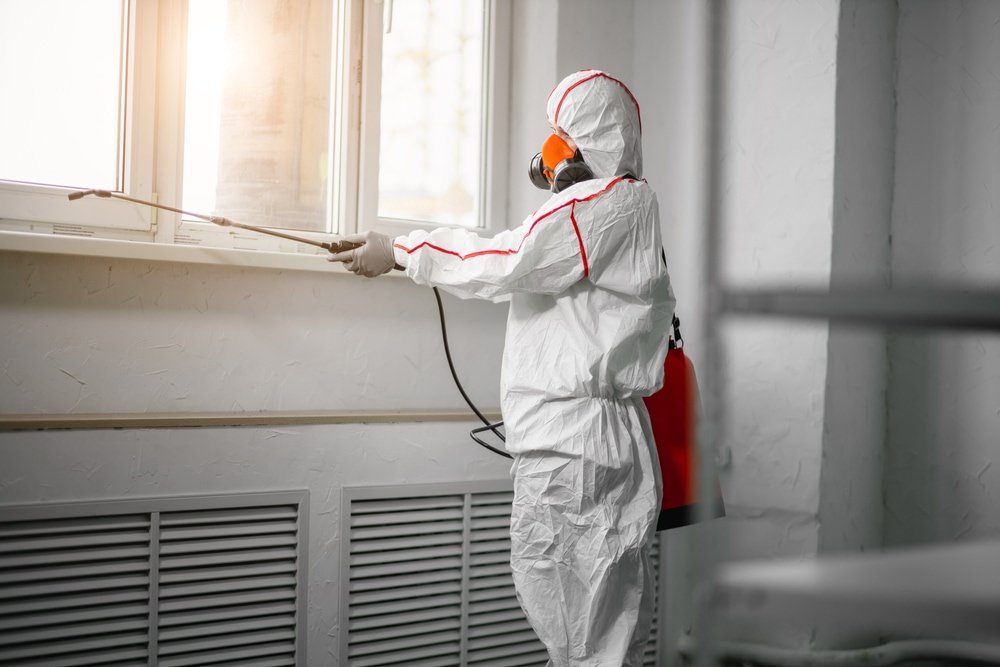
Black mold is a serious issue that many homeowners overlook until it becomes a major health hazard. This type of mold, often appearing as dark green or black patches, thrives in damp, humid environments and can silently damage your home while affecting your health. Understanding the dangers of black mold, recognizing its signs, and learning safe removal methods are essential for maintaining a healthy living space.
Understanding Black Mold
Black mold, scientifically known as Stachybotrys chartarum, is notorious for producing mycotoxins that can be harmful to humans and pets. Unlike ordinary mold, black mold tends to grow on materials rich in cellulose, such as wood, paper, and drywall. Its presence is often linked to water damage, leaks, or excessive humidity.
Prolonged exposure to black mold can lead to respiratory problems, chronic coughing, skin irritation, and even neurological symptoms in sensitive individuals. Infants, elderly people, and those with weakened immune systems are particularly vulnerable. Recognizing the dangers associated with black mold is the first step in ensuring a safe environment.
Common Signs of Black Mold
Detecting black mold early is crucial because it can spread quickly and silently. Some common signs include:
- Visible discoloration: Black or dark green patches on walls, ceilings, or around windows.
- Musty odor: A persistent, earthy smell often indicates hidden mold growth.
- Water damage: Stains, bubbling paint, or warped surfaces may indicate moisture that encourages mold growth.
- Health symptoms: Frequent respiratory issues, headaches, or allergic reactions without an apparent cause can suggest mold exposure.
Paying attention to these signs helps in early detection, preventing both property damage and health risks.
Causes of Black Mold Growth
Black mold thrives in environments where moisture accumulates. Some typical causes include:
- Leaky roofs, windows, or pipes
- Poor ventilation in bathrooms or basements
- Flooding or water damage that is not promptly addressed
- High humidity levels in homes or buildings
Identifying the source of moisture is essential, as simply cleaning the mold without addressing the cause will lead to recurring problems.
Health Risks Associated with Black Mold
Black mold produces mycotoxins that can impact human health. Common health issues include:
- Respiratory problems: Sneezing, coughing, asthma flare-ups, and difficulty breathing.
- Allergic reactions: Itchy eyes, runny nose, skin rashes, and nasal congestion.
- Neurological effects: Prolonged exposure may cause fatigue, headaches, dizziness, or memory issues.
- Severe reactions: In rare cases, immune-compromised individuals may develop serious infections or lung complications.
These dangers highlight the importance of prompt and safe removal of black mold from your living environment.
Safe Methods for Removing Black Mold
Removing black mold requires caution, protective gear, and proper cleaning techniques to prevent the spread of spores. Here are safe methods to follow:
- Protect yourself: Wear gloves, goggles, and an N95 respirator mask to prevent inhalation of spores.
- Isolate the area: Seal off the affected area to prevent spores from spreading to other parts of your home.
- Remove contaminated materials: Porous materials like drywall, carpets, or insulation with extensive mold growth should be discarded.
- Clean hard surfaces: Use a solution of water and detergent or a mixture of water and white vinegar to scrub non-porous surfaces. Avoid using bleach on porous materials, as it is often ineffective.
- Dry the area thoroughly: Ensure proper ventilation and dehumidifiers to keep the space dry and prevent mold from returning.
- Monitor for regrowth: Regularly inspect areas prone to moisture to detect any recurrence early.
For extensive infestations or if health issues arise, hiring a professional mold remediation service is the safest option.
Preventing Black Mold in Your Home
Prevention is always better than cure. To minimize the risk of black mold growth, consider these strategies:
- Control humidity: Keep indoor humidity below 50% using dehumidifiers or air conditioning.
- Fix leaks promptly: Repair leaking roofs, windows, or plumbing immediately.
- Improve ventilation: Ensure bathrooms, kitchens, and basements are well-ventilated.
- Regular inspections: Check areas prone to moisture regularly for early signs of mold.
- Use mold-resistant materials: In areas like bathrooms and basements, consider mold-resistant drywall, paint, and insulation.
By implementing these preventive measures, you can significantly reduce the likelihood of black mold forming in your home.
When to Call a Professional
Sometimes, DIY methods are not enough. Situations that require professional intervention include:
- Mold covering more than 10 square feet
- Persistent or recurring mold despite cleaning
- Mold growth caused by contaminated water, such as sewage leaks
- Individuals with severe allergies or compromised immune systems in the household
Professional mold remediation specialists have the equipment, training, and experience to safely remove black mold and treat the affected areas to prevent recurrence.
Conclusion
Black mold is more than just an unsightly nuisance; it poses serious health risks and can damage your home if left unchecked. Recognizing the signs of black mold, understanding its causes, and knowing safe removal techniques are essential steps in protecting both your property and your well-being. Preventive measures, coupled with timely intervention, can help keep your home safe and mold-free. Awareness and action are key—don’t let black mold compromise your health or comfort.



More Stories
Upgrade Your Property With Synthetic Grass Peoria AZ
Why Choose Marko Door Products for a Smart Garage Door Installation?
Roof Repairs: Common Problems and Smart Solutions to Protect Your Home