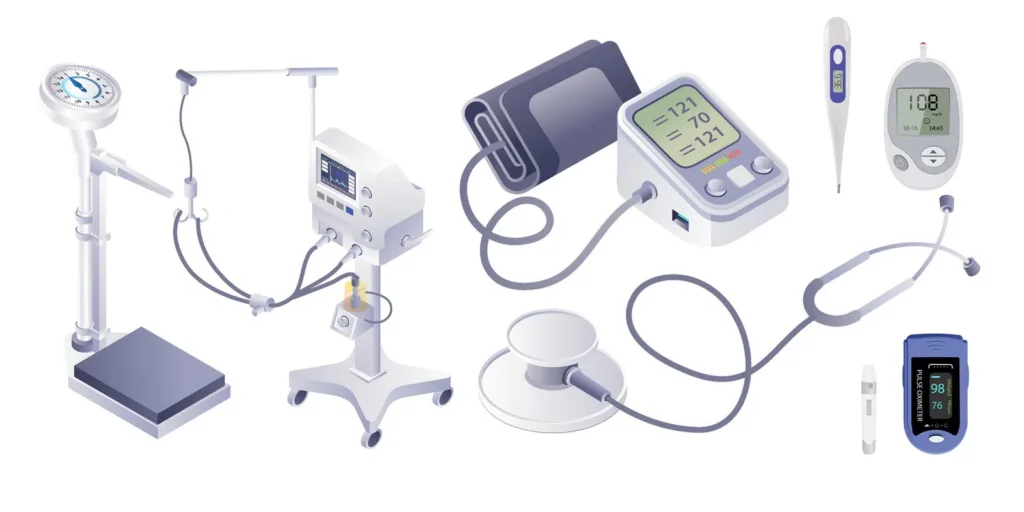
The healthcare industry is undergoing a dramatic transformation, driven largely by innovations in medical equipment. From diagnostic imaging to robotic surgery, the tools available to healthcare professionals today are more sophisticated, precise, and efficient than ever before. This evolution is reshaping patient care, improving outcomes, and enhancing the overall healthcare experience.
Precision in Diagnosis
One of the most significant impacts of advanced medical equipment is in the field of diagnostics. Modern imaging technologies such as magnetic resonance imaging (MRI), computed tomography (CT) scans, and ultrasound machines allow physicians to detect conditions that were once difficult or impossible to diagnose early. These tools provide high-resolution images that reveal abnormalities with remarkable clarity, enabling doctors to make more informed decisions about treatment.
For example, the use of advanced MRI machines has transformed the detection of neurological disorders. Conditions like brain tumors, multiple sclerosis, and stroke can now be identified at early stages, allowing for timely interventions. Similarly, CT scans provide detailed cross-sectional images of organs and tissues, assisting in diagnosing cancers, cardiovascular diseases, and internal injuries. By leveraging such medical equipment, clinicians can reduce diagnostic errors and improve patient outcomes.
Minimally Invasive Treatments
Medical equipment has also revolutionized surgical procedures. Minimally invasive surgery, guided by advanced instruments such as laparoscopes and robotic systems, allows surgeons to perform complex operations with smaller incisions. This reduces patient trauma, shortens recovery times, and lowers the risk of infection.
Robotic surgical systems, for instance, offer enhanced precision and flexibility. Surgeons can control robotic arms to perform delicate procedures with unparalleled accuracy, which is particularly valuable in complex surgeries such as cardiac, urological, and orthopedic operations. The integration of high-definition cameras and real-time imaging ensures that surgeons have a detailed view of the surgical area, making operations safer and more effective.
Continuous Patient Monitoring
Another area where advanced medical equipment is transforming patient care is monitoring. Modern devices such as wearable sensors, smart monitors, and telemetry systems allow for continuous observation of vital signs, glucose levels, heart rhythms, and other critical health indicators. This real-time data helps healthcare providers detect early warning signs of deterioration and intervene before complications arise.
For patients with chronic conditions, continuous monitoring can significantly improve quality of life. For example, wearable devices that track heart rate and blood pressure can alert patients and doctors to irregularities, reducing the risk of emergencies like heart attacks or strokes. Hospitals can also monitor patients remotely, enabling early discharge and home-based care without compromising safety.
Enhanced Treatment Planning
Advanced medical equipment is essential for personalized and precision medicine. Diagnostic data from imaging, lab tests, and genetic analysis are combined to develop tailored treatment plans for each patient. This approach ensures that therapies target the specific needs and conditions of individuals, rather than relying on generalized protocols.
For example, oncology treatment has benefited immensely from equipment that can map tumors and monitor their response to therapy. Precision radiation machines can target tumors with pinpoint accuracy, minimizing damage to surrounding healthy tissue. Similarly, infusion pumps and automated drug delivery systems ensure that patients receive the correct dosages at the right intervals, reducing errors and improving effectiveness.
Telemedicine and Remote Care
The rise of telemedicine has been supported by advances in medical equipment. High-resolution cameras, portable ultrasound devices, and digital stethoscopes enable healthcare professionals to conduct virtual consultations and remote examinations. Patients in rural or underserved areas can access specialized care without traveling long distances, bridging gaps in healthcare access.
Telemedicine is particularly valuable in emergency situations, where rapid assessment can be critical. Remote monitoring tools allow doctors to analyze patient data in real time and guide local healthcare providers in administering immediate care. This integration of technology and medical equipment ensures that timely interventions are possible even in resource-limited settings.
Improving Patient Safety
Advanced medical equipment plays a critical role in enhancing patient safety. Modern monitoring systems, automated medication dispensers, and electronic health records reduce the risk of human error. Alarms and alerts from these systems notify healthcare providers about critical changes in patient conditions, ensuring rapid responses.
For instance, infusion pumps equipped with safety software prevent incorrect dosages, which can be life-threatening. Similarly, electronic health record systems integrate patient history, allergies, and lab results to guide clinical decisions and avoid adverse reactions. The combination of accurate equipment and intelligent software contributes to a safer hospital environment for both patients and staff.
Supporting Rehabilitation and Recovery
Recovery and rehabilitation have also been transformed by advanced medical equipment. Physical therapy devices, robotic exoskeletons, and virtual reality tools assist patients in regaining mobility, strength, and coordination. These devices provide personalized training programs and monitor progress, motivating patients while ensuring exercises are performed correctly.
Patients recovering from stroke, spinal injuries, or orthopedic surgeries benefit from these innovations. Robotic-assisted rehabilitation can simulate natural movements and provide real-time feedback, accelerating recovery and improving long-term outcomes. Additionally, wearable devices track patient activity outside clinical settings, encouraging consistent rehabilitation practices at home.
Cost Efficiency and Healthcare Accessibility
While advanced medical equipment often requires significant investment, it can lead to long-term cost savings. Early and accurate diagnosis reduces the need for repeated tests and prolonged hospital stays. Minimally invasive procedures shorten recovery times, decreasing hospital resource utilization. Remote monitoring and telemedicine can reduce unnecessary visits and hospital readmissions.
Moreover, the scalability of certain medical equipment, such as portable diagnostic devices, increases access to healthcare in underserved regions. Clinics and mobile healthcare units equipped with these tools can deliver high-quality care to communities that previously had limited access to advanced medical services.
The Future of Patient Care
The continuous evolution of medical equipment promises even greater transformations in patient care. Emerging technologies like artificial intelligence, machine learning, and 3D printing are already being integrated with diagnostic and treatment devices. AI algorithms can analyze imaging data faster and more accurately than human interpretation alone, while 3D-printed implants and prosthetics offer customized solutions tailored to individual anatomy.
As medical equipment becomes smarter, more interconnected, and more patient-centric, healthcare will increasingly shift from reactive treatment to proactive and preventive care. The integration of wearable devices, AI-driven analytics, and remote monitoring will allow for predictive interventions, reducing the incidence of severe illness and enhancing overall population health.
Conclusion
Advanced medical equipment is reshaping every aspect of patient care—from diagnosis and treatment to monitoring, recovery, and safety. These innovations empower healthcare professionals to make informed decisions, provide personalized treatment, and ensure faster, safer, and more effective care. As technology continues to evolve, the healthcare landscape will continue to improve, bringing better outcomes, increased efficiency, and enhanced quality of life for patients worldwide.
By embracing cutting-edge medical equipment, healthcare systems are not only addressing present challenges but also laying the foundation for a future where patient care is more precise, accessible, and compassionate.
The role of medical equipment in modern healthcare is no longer just supportive—it is transformative, redefining how we diagnose, treat, and care for patients.



More Stories
Hip Replacement Hospital in Thane: Understanding Surgical Care, Recovery, and Patient Support
Buy Cannabis Online: Exploring Safer and More Responsible Options
Eye Surgeon Pretoria: Understanding Modern Surgical Options for Better Vision