Water damage is a serious issue that can compromise the structural integrity of your home, damage personal belongings, and even create health hazards. Often, the signs are subtle and easy to overlook until the problem becomes severe. Recognizing the early warning signs of water damage can save you significant time, money, and stress. Here are seven key indicators you should never ignore.
Discoloration or Stains on Walls and Ceilings
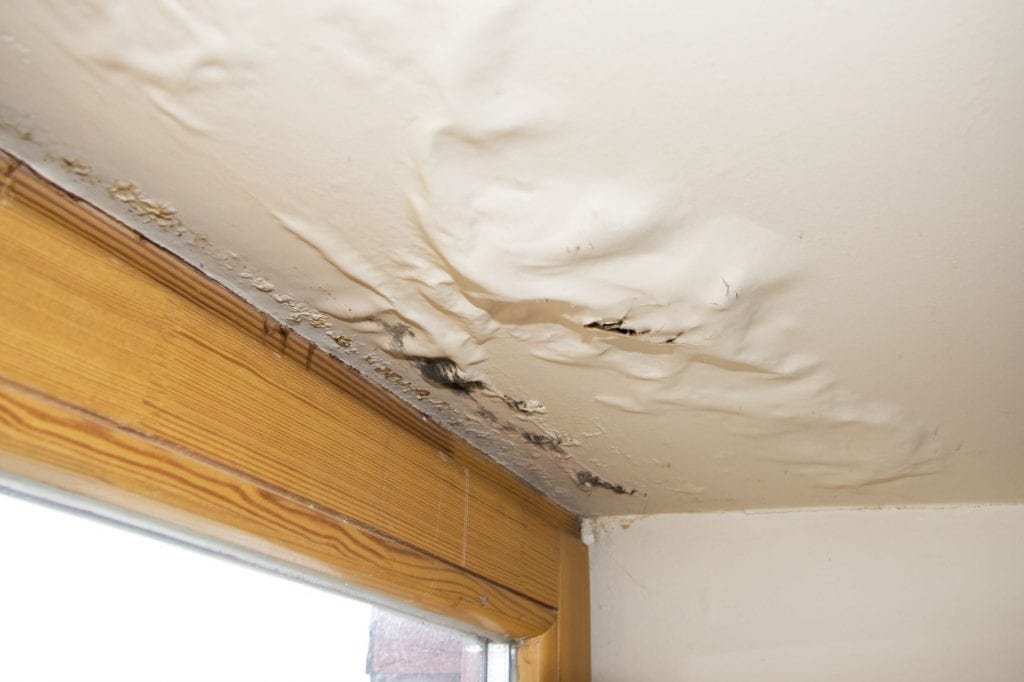
One of the most obvious signs of water damage is discoloration or stains appearing on walls or ceilings. These stains often show up as yellowish, brown, or dark patches that seem out of place. They are usually caused by water seeping through the roof, plumbing leaks, or condensation from windows. If left untreated, these areas can expand and weaken the wall or ceiling materials, potentially leading to structural problems.
Musty or Unusual Odors
A persistent musty smell in your home often indicates hidden water damage. This odor is usually caused by mold or mildew growth, which thrives in damp environments. Even if you don’t see any visible signs, the smell can be a warning that water is accumulating in hidden areas, such as behind walls, under flooring, or inside cabinets. Ignoring these odors can result in mold spreading throughout your home, which can pose health risks, especially for individuals with allergies or respiratory issues.
Peeling, Bubbling, or Cracked Paint and Wallpaper
When paint or wallpaper begins to peel, bubble, or crack, it may be a sign of water damage behind the surface. Moisture can cause the adhesive in wallpaper to fail and make paint lose its bond with the wall. This problem is particularly common near windows, ceilings, or areas exposed to plumbing. Promptly addressing these signs can prevent further damage to the wall materials and reduce the risk of mold growth.
Warped or Buckling Floors
Water damage can affect various flooring types, including hardwood, laminate, and vinyl. If you notice warped, buckling, or uneven floors, it may indicate that moisture has infiltrated beneath the surface. Water can cause wood to swell and laminate to separate, resulting in uneven surfaces that are not only unsightly but also hazardous. Flooring issues should be addressed immediately to avoid costly repairs and structural damage.
Cracks in Foundation or Walls
Water damage doesn’t only affect visible surfaces; it can also impact the foundation of your home. Small cracks in walls or foundation may appear harmless, but they can indicate that water is seeping into structural elements. Over time, water intrusion can lead to more severe cracks, weakening the stability of your home. Regularly inspecting your foundation for signs of water damage can help you catch problems before they escalate.
Increased Utility Bills
A less obvious but important warning sign of water damage is a sudden increase in your water bill. Leaks in your plumbing system, even small ones, can cause significant water waste, leading to higher costs. Monitoring your bills and comparing them to previous months can help identify hidden leaks that may otherwise go unnoticed. Fixing leaks promptly can prevent further water damage and reduce unnecessary expenses.
Visible Mold or Mildew
Mold and mildew are clear indicators that water damage has occurred. Mold typically appears as black, green, or white spots and often grows in areas with poor ventilation, such as basements, bathrooms, or attics. Mildew, on the other hand, is usually powdery and gray or white. Both can damage surfaces, compromise indoor air quality, and pose serious health risks. Addressing mold growth as soon as it appears is critical to prevent long-term damage and maintain a safe living environment.
Preventing Water Damage
While identifying water damage early is important, prevention is even better. Regular home maintenance can help you avoid many water-related issues. Inspect plumbing systems, roofs, and gutters periodically. Ensure proper ventilation in moisture-prone areas, and use dehumidifiers when necessary. Additionally, installing water detection devices near appliances, pipes, and basements can alert you to leaks before they cause significant damage.
When to Call a Professional
If you notice any of these warning signs, it’s often best to consult a professional for an assessment. Water damage can be tricky to fully understand and may affect areas hidden from plain view. A qualified water damage restoration expert can detect the source of moisture, repair the affected areas, and prevent future problems. Acting quickly can save you from extensive repairs, health risks, and potential loss of valuable possessions.
Conclusion
Water damage is not always immediately obvious, but the signs are often there if you know what to look for. Discoloration, odors, peeling paint, warped floors, foundation cracks, unexpected utility bills, and visible mold are all clear indicators that water is affecting your home. Paying attention to these warning signs and addressing them promptly can protect your home, health, and finances. Remember, early detection and prevention are key to minimizing the impact of water damage.

More Stories
Emergency Flood Restoration: Quick Tips for Homeowners
Disaster Clean Up Company: Why Hiring Professionals Saves You Time
Why Hiring a Professional Disaster Restoration Company Saves Time and Money